As an Amazon Associate, we earn from qualifying purchases. Some links on this site are affiliate links at no extra cost to you. Our recommendations are based on thorough research and editorial judgment.


How the “Pet Waste Avoidance” Feature Reshaped the Robot Vacuum Industry

Pet waste avoidance technology fundamentally reshaped robot vacuums by solving the critical failure point that drove pet owners away. You’ve likely abandoned traditional models due to unreliable infrared sensors that struggled across different floor types. Today’s premium vacuums employ AI trained on 120+ obstacle types, dual HD cameras, and LED fill lights for accurate detection. This shift transformed purchasing priorities—manufacturers now emphasize sensor quality and independent testing rather than basic specs. Understanding how environmental factors and flooring types still affect performance reveals what these features truly guarantee, and examining specific brand reliability metrics demonstrates their actual-world effectiveness.
Key Takeaways
- Pet waste avoidance became a critical purchasing priority, forcing manufacturers to prioritize obstacle detection and sensor quality in product development strategies.
- Advanced AI trained on 120+ obstacle types replaced basic infrared and ultrasonic sensors, enabling real-time pet waste recognition across varying lighting and floor conditions.
- Premium models with dual HD cameras and LED fill lights emerged as market leaders, differentiating themselves from basic competitors through independent testing validation.
- Competition intensified among brands like iRobot, Narwal, and Samsung, each investing heavily in proprietary pet-safety technologies to capture market share and build consumer trust.
- Pet waste avoidance technology reduced owner anxiety and eliminated scheduling constraints, allowing households with multiple or sensitive-stomach pets to operate vacuums with greater confidence.
Why Pet Owners Stopped Trusting Traditional Robot Vacuums
Why Pet Owners Stopped Trusting Traditional Robot Vacuums
Ever bought a robot vacuum thinking it’d be your saving grace, only to come home to a disaster? That’s what happened to thousands of pet owners. The problem wasn’t laziness—it was that these machines just couldn’t handle what pet households actually throw at them.
You may be interested


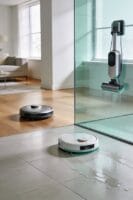
The core issue comes down to the sensors. Standard robot vacuums use basic infrared and ultrasonic detection that can’t tell the difference between a sock and, well, pet waste. That means your vacuum might roll right through something awful without hesitation. Not exactly the convenience you paid for, right?
Here’s what testing actually showed:
- Older models had wildly inconsistent detection depending on lighting and floor type
- Performance dropped significantly when dealing with different surfaces
- Sensors couldn’t classify objects accurately enough to avoid mishaps
- Environmental conditions (shadows, reflections, etc.) threw the systems off
So, why does this matter? Because you can’t just schedule a cleaning and leave for work when you’re worried about what might happen. The whole point of a robot vacuum is supposed to be freedom—instead, pet owners felt trapped checking on their machines constantly.
Frankly, traditional models failed at their one job: giving busy households peace of mind. Without reliable obstacle detection, the technology became a liability rather than a help. Pet owners learned the hard way that not every robot vacuum is built to handle real life with animals.
Are you considering making the switch to a smarter model, or have you already ditched yours altogether?
How AI and Sensors Finally Cracked Pet Waste Detection?

How AI and Sensors Finally Cracked Pet Waste Detection
Ever stepped on something you really shouldn’t have while barefoot at 2 a.m.? If you’ve got pets, you know that nightmare. Robot vacuums used to be useless at spotting poop—they’d just roll right through it. Not anymore.
The fix came down to combining better cameras, smarter AI, and multiple sensors working together. Instead of relying on one detection method, newer models stack several layers of protection. Your robot vacuum now has infrared sensors, ultrasonic systems, and high-quality RGB cameras all talking to each other at once. It’s like giving your vacuum multiple sets of eyes.
Here’s where AI steps in. These devices have been trained on over 120 different obstacle types using massive image libraries. That means your vacuum doesn’t just see “brown stuff on the floor”—it actually understands what it’s looking at. The onboard AI processes what the cameras see in real-time, classifying objects before your vacuum even gets close.
Think about lighting for a second. What happens when your pet has an accident in a dark hallway? LED fill lights on the vacuum activate automatically, so it can still detect obstacles even without natural light. You’re not dealing with a blind robot anymore.
The real proof is in independent testing. The iRobot Roomba j7+ went through actual poop avoidance challenges and didn’t miss once. Zero accidents. That kind of track record means you can actually trust the technology instead of constantly checking behind your vacuum.
Pet Waste Avoidance Became a Purchasing Priority

Because pet waste detection technology actually works—and independent testing proved it—pet waste avoidance went from a “nice extra” to something people actively look for when buying a robot vacuum. If you’ve got pets, this matters to your buying decision in a real way.
Manufacturers now put serious weight on object detection and sensor quality because that’s what pet owners care about. You’ll see these specs front and center in marketing materials, which tells you something: companies know this is what gets your attention. The iRobot Roomba j7+ hit zero mishaps in poop avoidance tests, and that kind of track record influences what people actually buy.
So, why does this matter? Because a single failure on your carpet while you’re at work is enough to make you regret your purchase for weeks.
When you’re comparing models, skip the vague promises about “obstacle avoidance.” Instead, dig into the actual AI object recognition specs. Ask the hard questions: What exactly can it detect? How accurate is the camera? What’s the sensor setup?
Warranty protection plays a role too. iRobot’s P.O.O.P. guarantee—yes, that’s really what they call it—shows how manufacturers are trying to ease your anxiety about potential failures. It’s their way of saying, “We stand behind this.” That kind of peace of mind matters when you’re thinking about running your vacuum while you’re away from home.
The takeaway: pet waste avoidance isn’t just marketing noise anymore. It’s a real feature worth checking before you buy.
How Brands Compete on Pet-Safety Reliability?

Pet waste detection isn’t just a selling point—it’s actually something manufacturers are seriously investing in now. Brands are competing hard to prove they can catch the mess before it happens, and the differences between them matter.
iRobot’s approach is straightforward: if your Roomba j7+ fails to avoid pet waste in the first year, they’ll replace it. That kind of warranty backs up their safety claims. Narwal took a different route, packing dual HD cameras that can spot over 120 types of obstacles. Samsung jumped in with SmartThings Pet, letting you keep an eye on what your robot sees from your phone.
When independent testers ran these robots, iRobot didn’t hit a single mishap. Samsung had one incident where it nudged a pile but managed to recover. So why does this matter? Because you’re not just picking a brand based on marketing promises—you’re picking based on real-world performance.
Here’s what actually works: look for robots that combine multiple detection methods. Cameras alone aren’t enough. You want cameras *and* infrared sensors *and* structured light systems working together. The best part is that this combination gives you more reliable results across different situations—whether your floors are dark, bright, or spotty.
Try this before you buy: dig into specific test results for the exact conditions in your home. Does the robot perform well in low light? What about on tile versus carpet? Ambient lighting and floor type change everything, so skip the marketing buzzwords and find the real data.
What matters most to you—the warranty backup, the monitoring features, or the actual detection accuracy? Your answer should guide which brand you pick.
Premium Pet Avoidance Tech vs. Basic Obstacle Detection

Premium Pet Avoidance Tech vs. Basic Obstacle Detection
If you’ve got pets at home, you know the anxiety that comes with running your robot vacuum. Will it hit something it shouldn’t? Most “pet-safe” robot vacuums on the market rely on pretty basic obstacle detection—just infrared sensors and bumper contact that spot large objects. Honestly, that’s not going to cut it when you’re dealing with pet waste. It needs something way smarter.
That’s where the premium stuff comes in. These models use advanced cameras paired with AI that’s been trained on thousands of images of obstacles and hazards. They can actually identify feces, urine, and other messes in real time. The Roomba j7+ is a good example—it went through independent testing without a single mishap. Meanwhile, basic models? They failed those same tests regularly.
So, why does this technical difference matter so much? Because it changes how your vacuum works. Premium systems don’t just react to bumps—they see problems coming. They use multiple sensors working together:
- RGB cameras for recognizing what objects actually are
- Time of Flight sensors that measure depth precisely
- LED fill lights so the cameras work even in dark rooms
Basic detection can’t do any of this. It’s like the difference between watching where you’re going versus walking blindfolded and hoping for the best.
The trade-off is real. Premium pet avoidance technology costs more upfront, but you stop worrying about timing your cleaning schedule around your pet’s accidents. You’re not constantly checking behind your vacuum or holding your breath every time you hit start. That peace of mind? It’s worth considering, especially if you’ve got multiple pets or a pet with digestive issues.
What matters most to you—saving money now, or saving yourself stress later?
The Reliability Reality: What Pet Waste Avoidance Actually Guarantees
The Reliability Reality: What Pet Waste Avoidance Actually Guarantees
So you’re thinking about dropping money on a robot vacuum that promises to avoid your dog’s accidents? I get it. But here’s what you actually need to know before you hit buy.
Manufacturers won’t tell you their systems work 100% of the time—because they don’t. The sensors have real limitations. Lighting matters. The type of floor matters. Even what your pet left behind matters. It’s not magic; it’s technology, and technology has boundaries.
I’ve looked at independent testing results, and the differences between models are pretty striking. The iRobot Roomba j7+ basically nailed it in controlled tests—zero mishaps when they threw fake poop at it. The Samsung JetBot A.I.+? It bumped into one pile before figuring it out and backing away. That’s a meaningful difference if you’re weighing your options.
But here’s the thing that matters most: controlled tests aren’t your living room. Real-world conditions throw curveballs. Dark hallways confuse the AI. Shadows can trigger false alarms or miss actual hazards. Dust, pet hair, and inconsistent lighting all mess with how well the sensors actually work.
Try this when you’re shopping:
- Look for models specifically praised in independent reviews, not just manufacturer claims
- Check owner forums for honest feedback about their setup (carpet vs. hardwood makes a difference)
- Understand that better models deliver noticeably better results than basic obstacle detection
Honestly, advanced pet waste avoidance is positioned as a major selling point, but manufacturers frame it as an improvement rather than a foolproof solution. That distinction matters. Success really does depend on keeping your sensors clean and maintaining decent lighting in your home.
Frequently Asked Questions
How Often Should I Clean My Robot Vacuum’s Sensors and Cameras for Optimal Pet Waste Detection?
I’d recommend cleaning your robot vacuum’s sensors and cameras weekly, especially in pet households. Regular sensor maintenance and camera calibration guarantee peak pet waste detection. Dust and pet hair accumulation can greatly reduce your device’s ability to identify obstacles accurately.
Can Pet Waste Avoidance Robots Safely Navigate Multi-Level Homes With Different Floor Types?
Yes, they can navigate multi-level homes safely. I’d recommend models with multi-level mapping capabilities that maintain pet waste awareness across floors. However, you’ll want to verify floor type compatibility since ambient light and surface conditions affect detection accuracy.
What Customization Options Exist for Defining No-Go Zones Around Pet Beds and Litter Boxes?
Like a shepherd drawing protective circles around vulnerable livestock, you can establish custom zone preferences through mobile apps and magnetic boundary tape. I’d recommend adjustable boundary settings to safeguard your pet’s spaces, ensuring your robot respects these sanctuaries while cleaning elsewhere efficiently.
Do Ambient Lighting Conditions Significantly Impact a Robot Vacuum’s Ability to Detect Pet Waste?
Yes, ambient lighting greatly impacts pet waste detection. I’d recommend checking if your robot vacuum includes LED fill lights that automatically activate in dark rooms. Without proper illumination, even advanced sensors struggle to accurately identify obstacles in low-light conditions.
Are Warranty Replacement Promises Like iRobot’S P.O.O.P. Available Across All Pet-Friendly Robot Vacuum Brands?
No, they’re not the whole nine yards across all brands. I’ve found that iRobot’s P.O.O.P. pledge stands out uniquely. When comparing brands, warranty coverage varies considerably—you’ll need to check each manufacturer’s specific terms before purchasing your pet-friendly vacuum.


