As an Amazon Associate, we earn from qualifying purchases. Some links on this site are affiliate links at no extra cost to you. Our recommendations are based on thorough research and editorial judgment.

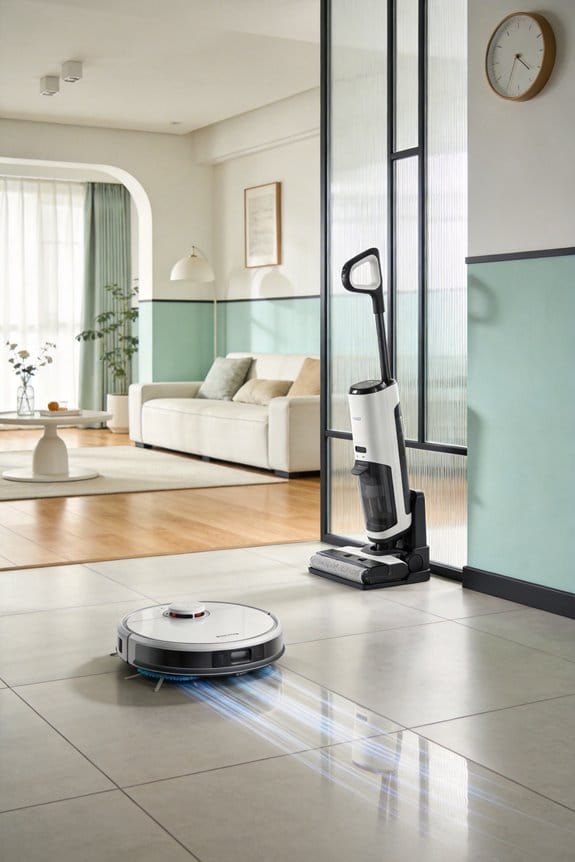
How Smart Vacuums Accommodate Elderly Users With Limited Mobility

Smart vacuums eliminate physically demanding tasks like pushing and lifting, vital for your mobility limitations. You’ll control them via voice commands through Alexa or Google Assistant, requiring no technical expertise. Self-emptying models reduce bending to monthly bin changes, while advanced sensors with laser mapping prevent collisions, ensuring safe navigation around furniture and obstacles. HEPA filtration capturing particles as small as 0.3 microns improves air quality. App-based scheduling lets you monitor progress remotely, enhancing independence. Discover how selecting the right model matches your specific mobility needs.
Key Takeaways
- Smart vacuums eliminate pushing, pulling, and lifting, significantly reducing physical exertion for elderly users with mobility limitations.
- Voice commands and app control enable hands-free operation, allowing elderly users to schedule cleanings without manual effort.
- Self-emptying features require bin emptying only monthly, minimizing bending and strain on elderly users’ bodies.
- Advanced sensors and laser mapping navigate obstacles automatically, ensuring safe operation without user intervention or accident risks.
- HEPA filtration and regular cleaning cycles improve air quality and reduce allergens, supporting respiratory health in elderly residents.
Smart Vacuums Eliminate Physical Strain
You may be interested


Tired of your back hurting after pushing a vacuum around the house? You’re not alone. A lot of people struggle with the physical toll of traditional vacuuming, especially if you’ve got mobility issues or just don’t have the energy for it anymore.
Smart vacuums actually solve this problem. They do the work while you sit back and relax. No pushing, pulling, or lifting required—which means your back and joints get a real break.
The self-emptying feature is honestly one of the best parts. Instead of bending down to dump a dustbin every week, the vacuum empties itself into a larger container. You might only need to empty it once a month. Less bending, less strain, less hassle.
Many smart vacuums come with mopping built in too. Think about it—why buy two machines when one does both jobs? You’re tackling multiple cleaning tasks without hauling heavy equipment from room to room.
Control from your couch (or anywhere else). Voice commands let you start cleaning just by talking. No remote needed. Better yet, you can schedule cleanings from your phone while you’re at work or out running errands. The vacuum handles everything on its own.
Frankly, the quiet operation modes make a real difference. You can run your vacuum at night or during naptime without waking anyone up. This flexibility helps you keep your floors clean on your own schedule, not the other way around.
Advanced Sensors Keep Your Home Safe
Advanced Sensors Keep Your Home Safe****
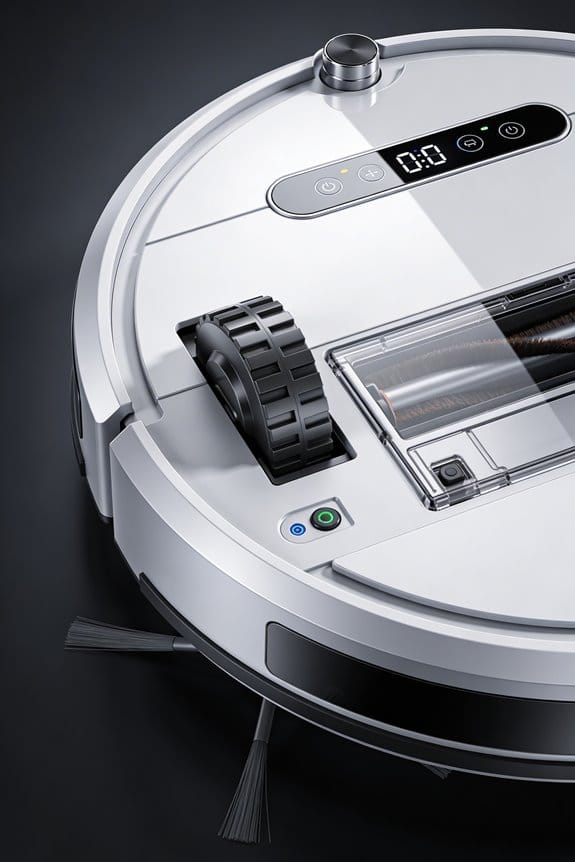
Ever notice how you have to watch your robot vacuum like a hawk to make sure it doesn’t crash into the couch or tumble down the stairs? That’s where things get stressful. The truth is, a good vacuum should handle the obstacles in your home on its own—and that’s exactly what modern sensor technology does.
Your vacuum’s sensors work like its eyes and brain combined. They use laser mapping and cameras to actually understand your home’s layout before they start cleaning. Think of it like this: the device knows where your furniture is, where the stairs drop off, and where potential tripping hazards hide. So why does this matter? Because it means you’re not stuck hovering nearby the whole time.
Here’s how it actually works in practice:
- Real-time detection spots furniture, doors, and clutter as the vacuum moves
- Automatic path adjustments keep the device away from edges and obstacles
- Collision prevention stops the vacuum before it hits walls or objects
The best part is the peace of mind. Frankly, most people don’t realize how many accidents can happen with a traditional vacuum—tangled cords, tripping over the hose, or a device that carelessly bumps down the stairs. A vacuum with solid sensor technology eliminates those risks. It navigates around dynamic obstacles without needing your constant supervision.
Your home stays safer during the entire cleaning cycle, and you get to actually relax while it works. Isn’t that the whole point?
Control by Voice or App Without Technical Skills
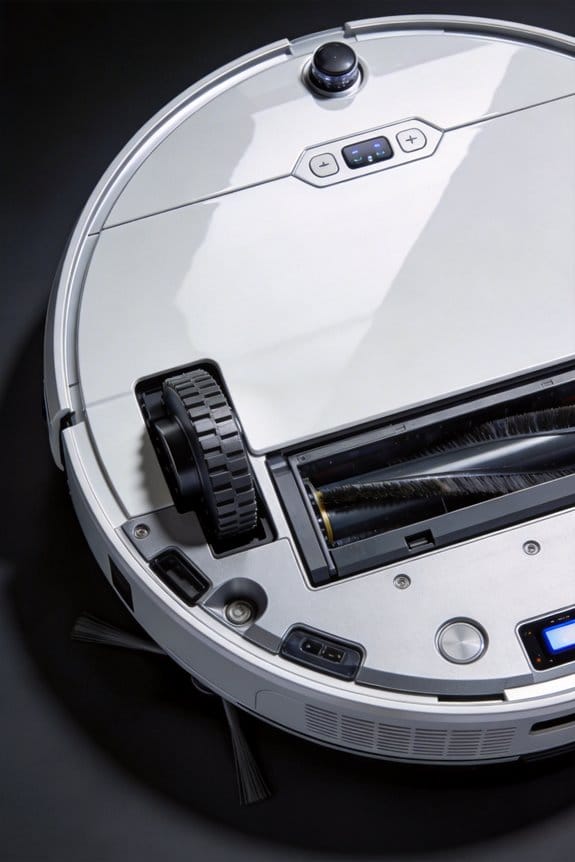
Once you’ve made sure your home’s sensors are doing their job, you need a way to actually run your smart vacuum that doesn’t require a manual or a tech degree. Voice commands are honestly the easiest route—just tell Alexa or Google Assistant to start cleaning, and it happens. No buttons to find, no app to navigate if you’re in a hurry.
The app gives you a different kind of control. You can set up cleaning schedules weeks in advance and start a cycle from anywhere—your office, your car, wherever. Real-time updates pop up on your phone showing cleaning progress and when the debris bin needs emptying. So, why does this matter? Because you’re not stuck guessing whether the job got done.
Here’s the trick: neither option demands any technical know-how. No complex setup, no troubleshooting forums, nothing like that. Whether you’re comfortable with smart home tech or you’re just learning, these controls work the same way for everyone. Frankly, that’s what makes them worth having in the first place.
Does a voice-activated vacuum fit your lifestyle better, or would you rather have the flexibility of scheduling through an app?
Pick the Right Robot Vacuum for Your Mobility Level
Pick the Right Robot Vacuum for Your Mobility Level
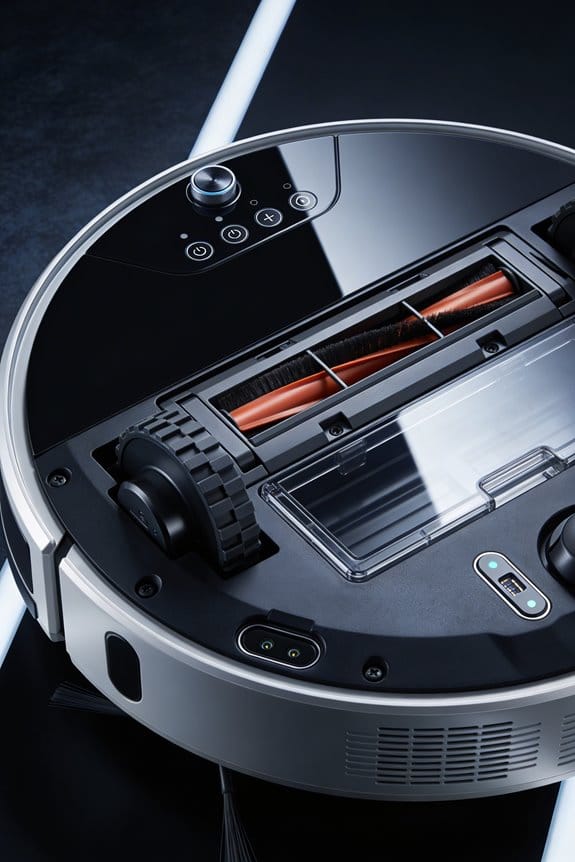
So you’re thinking about getting a robot vacuum, but you’re wondering if it’ll actually work with your life and body. The truth is, what sounds perfect in a review might be a nightmare in your actual home—and that’s totally okay to figure out before you buy.
Your physical abilities should drive every decision here. Can you easily bend down to empty a bin? Do you have the strength to carry a vacuum upstairs? These aren’t small questions. They’re the difference between a helpful tool and another thing collecting dust in your closet.
Start by thinking about how you’d actually control the thing. Remote app control works great if you’re sitting down a lot. Voice activation through Alexa or Google Home is fantastic if you’ve got mobility issues that make reaching for a remote tough. Honestly, some people want both options just to have flexibility.
Weight matters more than you might think. Compact models clock in under 5 pounds—light enough to grab and move around. Standard vacuums run 6–8 pounds, which is manageable if you’re moving them occasionally but could be rough if you’re dealing with balance problems. Multi-floor homes? Lightweight designs you can actually carry upstairs are worth their weight in gold.
Safety and comfort features aren’t luxuries:
- Obstacle avoidance technology keeps it from getting stuck or causing accidents
- Quiet operation modes help if you’re sensitive to noise or have hearing aids
- Self-emptying models eliminate the bin-emptying task completely—this alone makes it worth it if bending is difficult
Why does navigation accuracy matter so much? Because a vacuum that gets stuck under furniture or takes forever to map your space will frustrate you into not using it. You want something that just works.
Don’t overlook the specs that affect your daily life. Runtime tells you if it can finish your whole house before dying. Allergen filtration matters if you’ve got breathing issues. Battery life, dust capacity, app responsiveness—these aren’t boring details. They’re the actual experience you’re buying.
Match everything back to *your* situation, not what some internet stranger says they need. Your home, your body, your routine. That’s what counts.
Minimal Maintenance and Self-Emptying Models
Minimal Maintenance and Self-Emptying Models
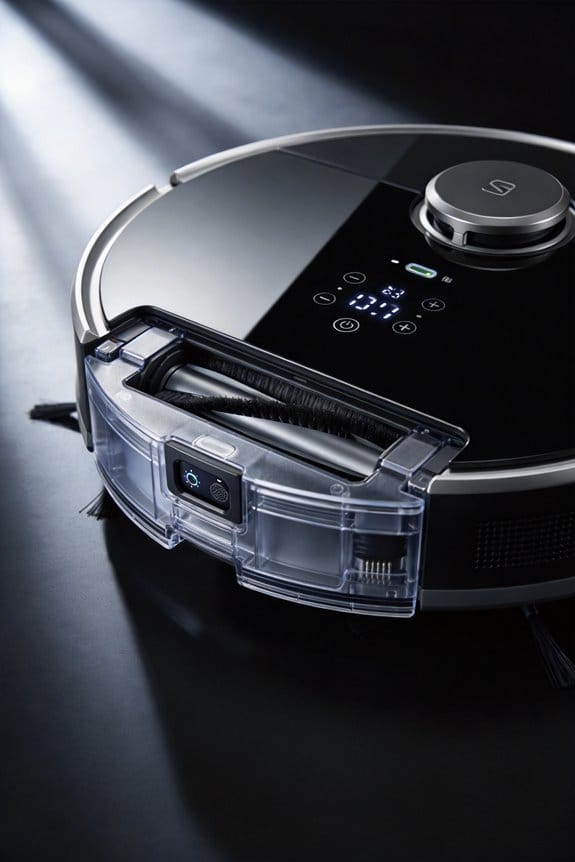
Tired of constantly emptying your vacuum’s dustbin? Self-emptying models actually solve this problem. These units automatically dump collected debris into sealed bins that you only need to empty every 30-60 days, depending on how many people live in your home and whether you have pets.
The maintenance gets even easier from there. Most of these vacuums have self-cleaning technology built in, which means the brushes get cleared automatically during cleaning cycles—no more yanking hair tangles out by hand. You’re looking at minimal effort beyond the occasional dustbin emptying.
So, why does this matter for you? The main benefit is physical relief. If bending down to empty a dustbin regularly feels like a chore or creates strain, self-emptying models remove that task from your routine entirely. You’ll never have to manually lift a heavy dust container or fidget with complicated parts.
The cost difference is real: premium self-emptying vacuums run about $400-$800 more than standard models. Here’s the thing—that extra investment actually pays off in time saved and less physical demand on your body. Think of it as the difference between doing a small chore yourself once a month versus doing it weekly.
Is the upgrade worth it for your situation? That depends on your budget and how much that daily convenience matters to you.
Maintain Independence Without Caregiver Help
Maintain Independence Without Caregiver Help
Have you noticed how hard it gets to keep up with household cleaning as you get older? It’s not just about dust—it’s about maintaining your space the way you want it, without having to ask for help.
Your home’s cleanliness matters because it directly affects your mood and sense of dignity. When your living space feels under control, you feel under control. That’s the real benefit.
Smart vacuums take one major task off your plate. They run on their own schedule, so your floors stay clean while you’re doing things that actually matter to you—not pushing a vacuum around. The self-emptying feature is genuinely useful too. Instead of lifting a heavy dustbin (usually 3-6 pounds with regular vacuums), the robot handles it for you.
Here’s what makes the difference:
- Voice control means you can start a cleaning cycle without bending down or fumbling with buttons
- Wi-Fi connectivity lets you manage everything from anywhere in your home
- Laser mapping technology handles tricky floor plans on its own, no supervision needed
So, why does this actually improve your well-being? Because you’re not constantly dependent on someone else to help with basic household tasks. That independence—knowing you can keep your own space clean—does something for your confidence that’s hard to overstate.
Frankly, the peace of mind matters as much as the clean floors. You’re staying in control of your environment without sacrificing your health or comfort.
Cleaner Air and Allergen Control for Seniors
Cleaner Air and Allergen Control for Seniors
Ever notice how you’re more tired after a dusty day than you used to be? That’s not just getting older—your lungs are working harder. As you age, your respiratory system gets pickier about what it breathes in. Dust, pet dander, and other floating particles that you might’ve shrugged off at 30 can really mess with you now.
Smart vacuums with high-efficiency filters actually change what’s floating around your home. They grab dust and allergens that regular vacuums completely miss. The difference shows up in how you feel day-to-day.
Here’s what makes this matter: when you’re not constantly breathing in irritants, you don’t cough as much. You sleep better. Your asthma or allergy symptoms don’t flare up as often. That’s worth paying attention to.
The best part is you don’t have to do anything. These devices run on their own schedule, keeping your floors and air clean without you lifting a finger. No bending down with a vacuum cleaner. No stirring up dust clouds that make you wheeze.
HEPA filtration technology traps particles smaller than what you can see with your eyes—we’re talking 0.3 microns. If you’ve got asthma, a weakened immune system, or just want to breathe easier, this actually matters. And if you have pets? Automatic hair removal means animal dander doesn’t pile up and turn your home into an allergen factory.
Frankly, the steady cleaning throughout the day keeps your space healthier than any occasional vacuuming ever could. Your lungs aren’t constantly battling debris and contaminants. You’re reducing real health risks, not just tidying up.
Frequently Asked Questions
How Long Does a Robot Vacuum Battery Last on a Single Charge Cycle?
Most robot vacuums I’d recommend last between 90 to 150 minutes per charge cycle, depending on your model and floor size. Their excellent charging efficiency means they’ll recharge fully in just 2-3 hours, keeping your battery lifespan strong for years.
Can Smart Vacuums Navigate Multiple Floor Levels or Stairs in Multi-Story Homes?
I’ll tell you directly: most smart vacuums can’t navigate stairs independently. However, their obstacle detection technology recognizes stair edges and prevents falls. You’d need to manually move yours between levels, though multi-level navigation on flat floors works well.
What Is the Average Cost Difference Between Robot and Traditional Vacuum Cleaners?
I’d say you’re looking at a $300-$800 price difference, with robot vacuums typically costing more upfront. However, price trends show costs dropping as technology advances, making them increasingly competitive with traditional models over time.
How Often Do Robot Vacuum Filters Need Replacement for Optimal Performance?
I’d recommend checking your robot vacuum’s maintenance schedule every one to three months for filter replacement, depending on usage and household dust levels. Most manufacturers suggest replacing filters quarterly for ideal performance and air quality.
Are Robot Vacuums Effective on Different Floor Types Like Carpet and Tile?
Like a Swiss Army knife for your floors, I’ve found that robot vacuums excel across different floor types. Their performance adapts seamlessly—they’re highly effective on both carpet and tile, adjusting suction automatically. This floor type compatibility makes ’em ideal for mixed households.


