As an Amazon Associate, we earn from qualifying purchases. Some links on this site are affiliate links at no extra cost to you. Our recommendations are based on thorough research and editorial judgment.


Local Privacy Laws: How the CCPA and GDPR Are Changing Robot Vacuum Apps

Privacy laws now shield your robot vacuum’s sensitive data differently by location. CCPA gives California residents rights to access, delete, and opt out of data sales within forty-five days, while GDPR requires EU companies to respond within thirty days, mandate data minimization, and enforce encryption for home maps. Both laws restrict selling precise location data and video feeds to advertisers without consent. Understanding your manufacturer’s storage method—cloud versus local encryption—determines your actual protection level. Your specific rights depend on jurisdiction and company compliance practices.
Key Takeaways
- CCPA empowers California residents to request data deletion and opt out of data selling without company repercussions or penalties.
- GDPR mandates stricter compliance, requiring explicit user consent before data collection and deletion fulfillment within thirty days maximum.
- Robot vacuum manufacturers must encrypt home maps and location data end-to-end, preventing unauthorized access and advertiser sharing practices.
- Companies cannot sell precise location data or share video feeds with advertisers without explicit opt-out options for users.
- Users can request data access, deletion, or corrections through privacy portals; GDPR allows thirty days, CCPA allows forty-five days.
CCPA and GDPR: What You Need to Know
CCPA and GDPR: What You Need to Know
Ever wonder what happens to all that data your robot vacuum collects? Your home maps, cleaning schedules, and location info—it’s all being tracked. And honestly, that’s why two major privacy laws exist to protect you: the California Consumer Privacy Act (CCPA) and the European General Data Protection Regulation (GDPR).
You may be interested

Let’s start with the CCPA. If you live in California, this law gives you real power. You can find out exactly what data companies collect about you, how they use it, and who they share it with. Want them to delete your info? You can request that. Don’t want your data sold? You can opt out. And here’s the thing—companies can’t punish you for exercising these rights.
The GDPR works differently but covers similar ground. It’s the European Union’s answer to data privacy, and it’s stricter in some ways. Companies need your clear permission before collecting data. They have to use only what’s necessary (called “data minimization”). And if you ask them to delete your information, they’ve got 30 days to do it.
So, why does this matter for your robot vacuum specifically?
Companies handle these laws differently depending on where you are. Take iRobot—they apply GDPR standards globally because it’s easier than managing different rules everywhere. Ecovacs, on the other hand, focuses on meeting CCPA requirements. What this means for you: your device data, geolocation, and home maps get protection either way, but the level of control you have depends on your location and which company you use.
The bottom line: both laws put the focus on accountability. Companies have to be honest about what they’re doing with your data, and you get to decide what happens next. Want to take control of your home data? Start by checking your robot vacuum app’s privacy settings and reading what the manufacturer actually collects.
What would make you feel more confident about the data your smart home devices collect?
How Privacy Laws Protect Your Home Maps and Location Data
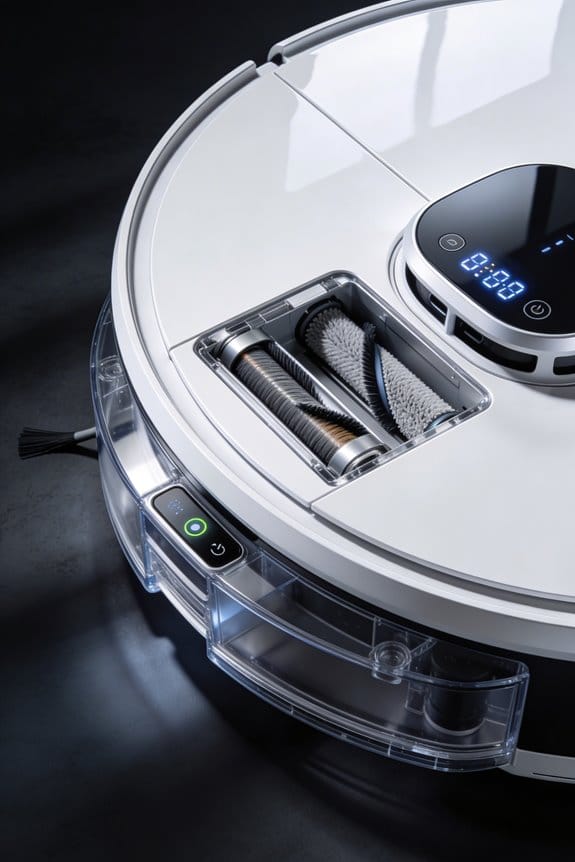
Your robot vacuum is quietly mapping every corner of your home—literally storing a detailed picture of your living room, bedroom layout, and how you move through your space. What happens to that data? That’s where privacy laws come in, and honestly, you should care about this.
How Your Home Maps Are Protected
Under CCPA and GDPR rules, companies can’t just do whatever they want with your home’s layout and movement patterns. They have to encrypt your data—meaning they scramble it so hackers or unauthorized people can’t read it, whether it’s sitting in their servers or traveling across the internet. iRobot, Ecovacs, and similar companies are required to use end-to-end encryption, which basically means your home maps are locked down from start to finish.
Your Rights (And How to Use Them)
So, why does this matter for you personally? Because you’ve got real power here. Under GDPR, you can request to see exactly what maps your vacuum company has stored about your home. You can review it within 30 days and delete it if you don’t like what you see. That’s not a suggestion—that’s your legal right.
Try this: Go into your vacuum app’s privacy settings and look for data access or deletion options. Most companies now have these built in because the law requires it.
The Marketing Angle You Might Not Know About
Frankly, companies would love to sell information about your home’s layout to marketing partners. They could make money off knowing whether you have a big open floor plan or small rooms, where you spend the most time. You can opt out of this completely. Restricting map sharing means your property’s details stay yours—not for sale to advertisers.
The best part is that opting out usually takes just a few clicks in your app settings.
The Takeaway
Privacy laws aren’t perfect, but they do give you concrete tools to protect your home data. You get encryption, access rights, and the power to say no to data sharing. What matters now is actually using these protections—because they only work if you do.
What Data Can Companies Collect: and What They Can’t?
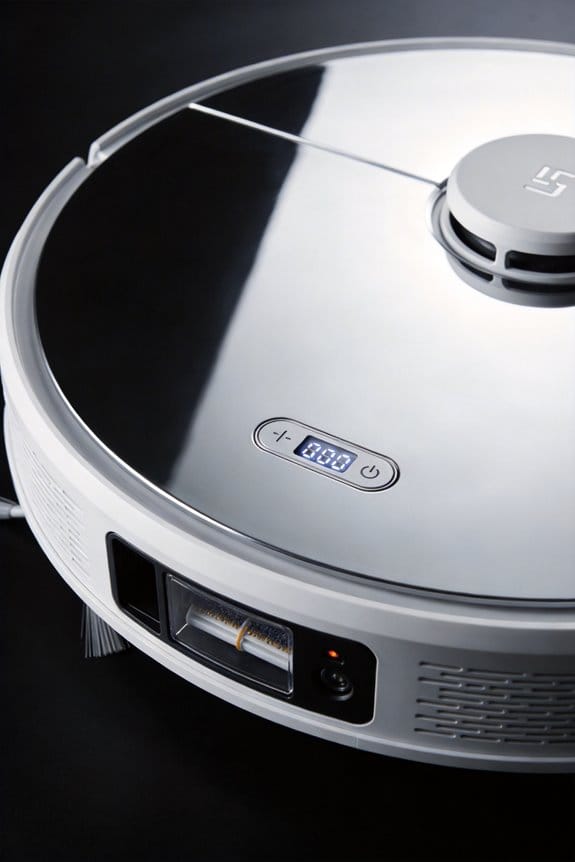
Your robot vacuum is basically a spy in your home—and I’m not exaggerating. It’s mapping every room, tracking when you clean, monitoring battery life, picking up WiFi strength, and logging your cleaning patterns. All of that data sits somewhere, and frankly, most people have no idea it’s happening.
So, why does this matter? Because companies want to sell that information or hand it over to advertisers. That’s where laws like CCPA and GDPR step in. They’re not perfect, but they do set some real limits on what businesses can actually keep and share.
Here’s what companies *can’t* do:
- Sell your precise location data without giving you a clear way to opt out
- Share video feeds with advertisers
- Disclose exact location info under CPRA rules
The good news? They *can* hold onto general usage stats to make their service better. And you’ve got rights too.
What you should actually do:
You’re entitled to transparency. Ask the company what they’re collecting—seriously, just request it. Under GDPR, you can demand they delete everything within 30 days. With CCPA, you can tell them to stop selling your data entirely. Don’t assume they’ll volunteer this info; you have to ask.
Truth is, most people never bother checking what permissions they’ve granted. Take five minutes and look at your app settings. You might be surprised—and more in control than you realize.
Recommended Products

Reach the Unreachable: Featuring a sleek 3.14-inch ultra-thin design, the retractable LDS and RGB camera collaborate for optimal Dirt Detection. The top-mounted ToF sensor smartly adjusts the LDS height, maintaining a 100° viewing angle even in low-light and tight spaces for comprehensive cleaning coverage.

Bagless Self-Emptying Base: 45 Days of Hands-Free Cleaning – The iMartine D16S MAX robot vacuum features a 2.5L bagless self-emptying dust collector that holds up to 45 days of debris. No disposable bags to buy or replace—simply empty the container directly into the trash. The robotic vacuum cleaner automatically empties its 220ml onboard dustbin after each cleaning session, so you never have to touch dirt or dust. Perfect for households with pets, kids, or high-traffic areas.

3-in-1 Robot Vacuum, Vacuums, Sweeps, and Mops in One Pass: Experience a new level of clean with 11500Pa of ultra-strong suction powerful enough to lift embedded pet hair, crumbs, and debris from both carpets and hard floors. The integrated 230ml water tank and 240ml dustbin work simultaneously to tackle dry and wet messes, ensuring a thorough clean across your entire home without switching modes
Cloud vs. Local Storage: What’s Safer for Your Data?
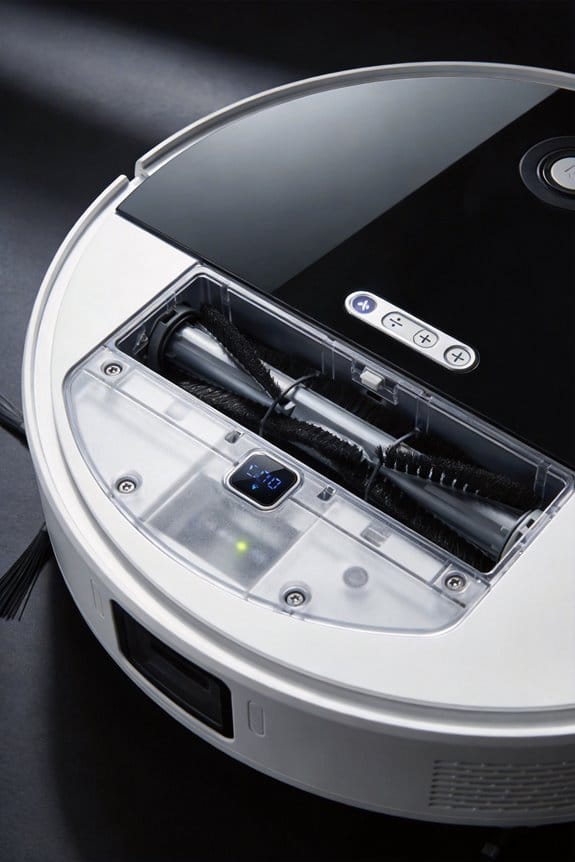
So you’ve learned what data your vacuum collects and which laws are supposed to protect you. But here’s what really keeps me up at night: where does all that information actually go?
This is where cloud versus local storage becomes a real decision you need to make.
The Cloud Problem
Cloud storage sounds convenient until you think about what’s actually happening. Your home maps, movement patterns, and usage logs are sitting on some company’s server somewhere. Sure, they promise encryption, but breaches happen. A lot. And honestly, if your data’s traveling to distant servers, that’s multiple points where things can go wrong—the company’s own security, third-party vendors they work with, even the networks in between.
Local Storage: Keeping It Close
Here’s the thing about keeping data on your device itself: hackers would need physical access to your robot vacuum to steal anything. That’s a much higher barrier than cracking into a cloud server. Encrypted local storage means sensitive geolocation data never leaves your home. So why does this matter? Because you’re not relying on someone else’s security promise.
What the Law Actually Says
The GDPR requires companies to delete your data within 30 days. Frankly, encrypted local storage makes that requirement way easier to control. You’re not stuck waiting for a company to maybe delete your information from their servers—you handle it yourself.
What You Should Do
When you’re picking a vacuum app, ask one simple question: does sensitive data stay on your device or get sent to the cloud? Check the app’s privacy settings before you commit.
Which option fits your comfort level better?
Recommended Products

💨 360° LiDAR Navigation & Home Mapping : H6 Pro robot vacuum is eqquipped with the most advanced LiDAR system, scan and identify complex home layouts at 360°, create highly detailed maps and supports multi-level mapping for smart navigation across different floors. Enjoy quick, accurate, and thorough cleaning in every corner of your home.

UP TO 30 DAYS OF HANDS-FREE CLEANING: The NeverTouch Base automatically empties debris, refills the water tank, and washes and dries the mop for up to 30 days. It also features HEPA filtration and an Anti-Allergen Seal to capture dust and allergens.
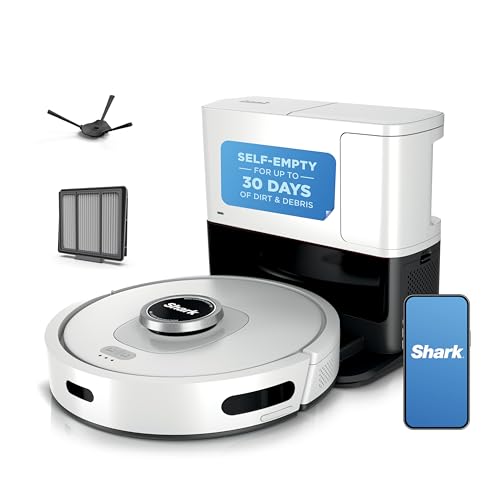
HIGH SUCTION POWER: Shark's powerful suction captures dirt, debris, and pet hair across all surfaces—carpets and hard floors alike—making this robot vacuum the ultimate solution for deep, everyday cleaning.
Who Else Gets Access to Your Robot Vacuum Data?
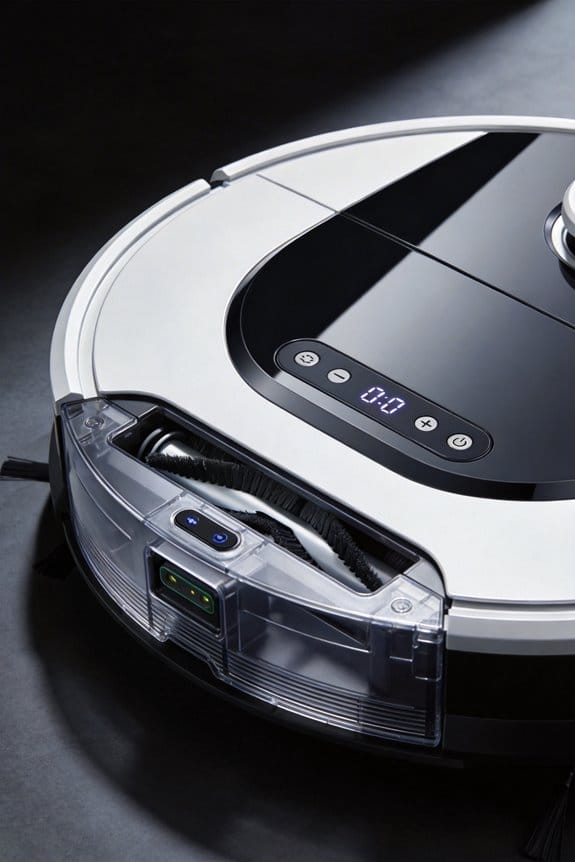
Ever wonder who’s actually watching your robot vacuum as it maps out your home? It’s not just the company that made it.
Your vacuum collects a surprising amount of information—home maps, movement patterns, when you’re away, how often you use it. The manufacturer stores this stuff on cloud servers, and frankly, that’s just the beginning of who gets access.
When you connect your vacuum to Alexa or Google Home for voice control, you’re opening another door. These third-party services get your voice commands, scheduling data, and device status. Most people don’t realize they’re sharing all this without signing any separate data agreement.
Then there’s the security side of things. Weak encryption is like leaving your front door unlocked. If hackers find vulnerabilities in your vacuum’s software, they can grab sensitive information about your home and routines.
So, why does this matter? Because you should know exactly what you’re signing up for.
What you can actually do about it:
Your consent controls what manufacturers do with your data, but opt-out options differ depending on where you live. If you’re in California or Europe, CCPA and GDPR rules give you real power—you can request to see what data they have on you, delete it, or ask for corrections.
Before you authorize any new integration, pull up the privacy policy. I know it sounds boring, but you’ll find out which companies actually get your information. Take five minutes to read it. Honestly, most people don’t, and that’s how they end up surprised later.
The takeaway? You’ve got more control than you think. Just use it before you flip that switch to connect your vacuum to your smart home system.
How to Request, Delete, or Correct Your Data
Once you’ve figured out which companies are sitting on your robot vacuum’s data, it’s time to actually do something about it. The process is pretty straightforward: find each company’s privacy portal or send them a written request. Depending on where you live, you’ve got specific windows to work with—GDPR gives you thirty days, while CCPA allows forty-five (and can stretch another forty-five if the company needs more time). Write everything down and keep those request dates and confirmation numbers safe.
So, why does documentation matter so much? Because it protects you. If a company drags its feet or claims they never got your request, you’ve got proof.
Correcting bad information is where things get interesting. You can ask companies to fix inaccurate data straight through their privacy portals, and they’re legally required to verify those changes within set timeframes. It sounds simple, but user consent actually matters here—make sure you’re following the right steps for your location’s rules.
Deletion requests work differently than corrections. When you ask a company to delete your data, they need to remove your home maps, location history, and activity logs. Honestly, some technical data might stick around temporarily for system maintenance, but the sensitive stuff should go. Keep copies of every email and request you send. That paper trail is your best friend if anything goes wrong later.
Think about it: wouldn’t you want proof that you asked for your data back?
Recommended Products

Keep Your Cleaning Station Sanitary While Tackling Stubborn Stains: The 100C ThermoHub Self-Cleaning Mop system uses a PTC-heated washboard to clean mop pads with high-temperature washing for a more sanitary result. Heat helps break down greasy residue, reduces odor buildup, and supports mop hygiene after regular use-helping maintain a cleaner home and fresher floors with less hands-on cleaning

Extended Runtime & Flexible Cleaning Modes: Switch to Eco Mode via the Aiper app for up to 240 minutes of runtime for daily maintenance. Enjoy up to 180 minutes in auto, floor, wall & waterline for deeper cleaning.

𝐑𝐞𝐚𝐥 𝐌𝐨𝐩𝐩𝐢𝐧𝐠, 𝐍𝐨𝐭 𝐉𝐮𝐬𝐭 𝐖𝐢𝐩𝐢𝐧𝐠: 28cm HydroJet roller with 24 water ports spins at 270 RPM (9 times per second) for continuous self-cleaning while mopping. Built-in scraper removes dirt to separated tank, keeping the roller clean throughout mopping. Eliminates marks from paw prints, spills, and messes.
Frequently Asked Questions
Do Robot Vacuum Privacy Laws Apply Differently to Renters Versus Homeowners?
I’d say privacy laws don’t distinguish between renters and homeowners—both you’re equally protected. However, homeowner rights include full data control of your home maps, while renter responsibilities mean you’re liable for shared space consent before the vacuum maps your landlord’s property.
How Do Privacy Regulations Handle Data From Multi-User Households or Family Accounts?
I’ll help you understand how regulations handle multi-user household data. Under CCPA and GDPR, you need explicit multi-user consent before sharing family data. Each household member retains individual rights to access, delete, or correct their personal information within your family account.
Are Robot Vacuum Companies Liable for Data Breaches Under CCPA and GDPR?
Yes, robot vacuum companies carry considerable culpability. Under CCPA and GDPR, they’re liable for lapses in data protection and user consent compliance. I’d recommend reviewing their breach notification policies—they’re legally obligated to inform you if your personal information’s compromised.
What Happens to My Data if a Robot Vacuum Company Goes Bankrupt?
When your robot vacuum company goes bankrupt, your data ownership rights remain yours under CCPA and GDPR. You’ll likely need to request deletion before assets liquidate. Bankruptcy implications mean you’re unsecured creditor—prioritize data removal immediately to protect your home maps and location history.
Can Employers Monitor Employee Locations Through Company-Owned Robot Vacuum Apps?
Sure, your employer *could* theoretically monitor you through robot vacuums—if they’ve lost their minds. Legally, though? CCPA and GDPR protections shield your employee privacy from location tracking abuse. You’ve got rights that’ll stop that creepy scheme cold.