As an Amazon Associate, we earn from qualifying purchases. Some links on this site are affiliate links at no extra cost to you. Our recommendations are based on thorough research and editorial judgment.


The End of Sunken Living Rooms? Navigating Elevation Changes in Smart Homes

Sunken living rooms aren’t ending—they’re adapting through smart home solutions. You’ll face challenges like disrupted sensor signals, inconsistent temperature control, and voice command interference across elevation changes. Strategic positioning of smart speakers at chest height, layered motion-sensor lighting, and independent climate zones solve these problems effectively. Wider steps (14–16 inches) and recessed fixtures enhance safety while maintaining modern aesthetics. When you plan electrical routing and accessibility features upfront, sunken pits integrate seamlessly with automation systems, transforming obstacles into design advantages that reward deeper exploration.
Key Takeaways
- Sunken living rooms are experiencing a resurgence through smart home technology integration that balances nostalgia with modern functionality.
- Elevation changes disrupt sensor effectiveness, voice command reliability, and temperature control, requiring strategic technology placement and planning.
- Position media consoles at eye level and install smart speakers at chest height to optimize voice activation across levels.
- Layered lighting with motion sensors and recessed fixtures ensures safety while marking step edges for navigation.
- Consult electricians and plumbers early to assess wiring compatibility and plan integrated conduit systems before construction begins.
The Sunken Living Room Paradox: Why Smart Homes Are Changing the Conversation
The Sunken Living Room Paradox: Why Smart Homes Are Changing the Conversation
Remember when sunken living rooms got labeled as outdated? For years, everyone wanted flat, open floors that flowed seamlessly from room to room. But here’s what’s actually happening now: smart home technology is making designers reconsider those sunken pits as real solutions, not relics.
You may be interested


The shift comes down to how we use our spaces differently. Voice controls, automated lighting, and integrated sensors work better when rooms have defined zones. A sunken living room naturally creates that separation without walls—it’s subtle, it works with your tech, and honestly, it brings back that cozy conversation vibe people are craving.
So, why does this matter? Because you can have both things now. You get the intimate, focused seating area *and* the open-plan layout you actually want in your home.
Making it work with modern tech:
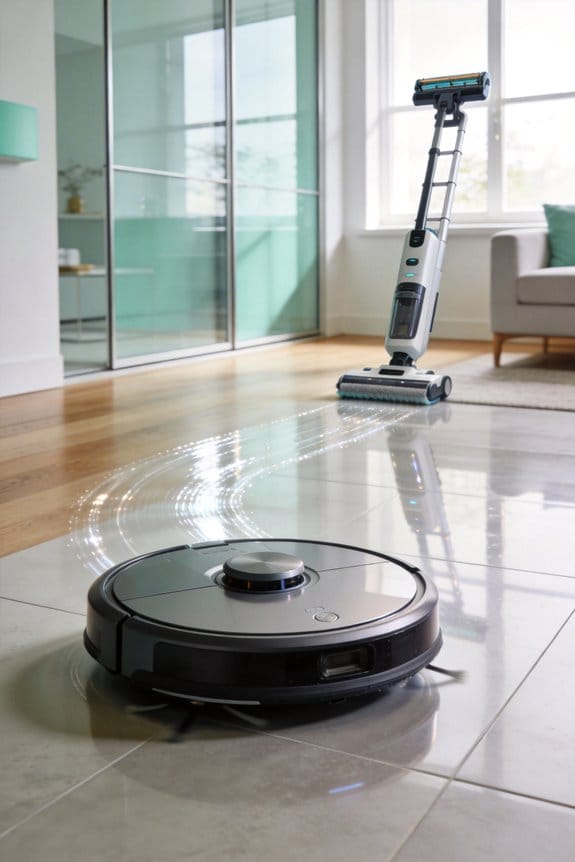
Smart elevation changes need a few practical adjustments. Wider steps are safer and easier for voice-controlled vacuum robots to navigate. Railings should be thin enough that motion sensors don’t get blocked. Built-in shelving and floating consoles do double duty: they hide all the wiring while keeping your sightlines clean. Try this: plan your step dimensions around accessibility standards—they’ll feel better to use and won’t interfere with sensor networks.
The best part is, you’re not choosing between nostalgia and functionality. Contemporary smart home systems actually make sunken rooms *more* practical than they used to be. Your conversation pit can be cozy without being a tech headache.
Truth is, this trend works because it solves a real problem. You’ve wanted those intimate spaces back. Now you’ve got the tools to make them work without sacrificing the open feel of modern homes.
What’s stopping you from adding a little depth to your next redesign?
Why Do Sunken Living Rooms Challenge Smart Home Layouts?

Why Do Sunken Living Rooms Challenge Smart Home Layouts?
So you’ve got a sunken living room and you’re thinking about adding smart home tech. Sounds simple enough, right? Wrong. Those few steps down create headaches that people with flat layouts never have to worry about.
The biggest issue? Your elevation changes mess with everything. Sensors don’t work as well when they’re looking across different floor levels. Wi-Fi signals get weaker the farther they travel up or down. Control devices end up in weird spots because of the layout. It’s like trying to play a video game with lag—everything takes longer to respond.
Voice-activated speakers are particularly tricky in sunken spaces. Sound behaves differently in a pit than it does in a regular room. If you mount a speaker too low, your voice won’t carry up to the speakers positioned higher in your home. Mount it overhead? Now you’re dealing with special wiring that costs more and takes longer to install. Honestly, finding the right spot feels like solving a puzzle.
Motion sensors have their own problems here. They struggle to detect movement when people are on different levels. Your smart home might miss the fact that someone’s actually in the room, which throws off your occupancy data and automation routines.
Temperature control gets messy too. That sunken area tends to be either too hot or too cold compared to the rest of your house, and standard climate systems aren’t built to handle that split effectively.
Truth is, upgrading a sunken living room with smart tech costs more and requires more planning than a traditional layout. Before you start, are you prepared to invest extra time and money to make it work smoothly?
Modern Sunken Pits: How Designers Keep Them and Make Them Work

So you’ve got a sunken living room, and now you’re worried that smart home tech won’t work across all those elevation changes? Honestly, that’s one of the most common concerns I hear from people trying to modernize their homes. Good news: designers aren’t ripping out sunken pits. They’re actually keeping them and making them work with automation.
The trick is positioning things strategically. Media consoles at eye level are your friend here—they let you use voice commands reliably without worrying about whether Alexa can hear you from down in the pit. It sounds simple, but this placement makes a real difference in how smoothly your smart home actually functions.
Lighting is where people often miss an opportunity. Instead of fighting the sunken design, use it to your advantage:
- Layer in subtle floor lamps near the concrete steps
- This improves safety for anyone moving between levels
- It also gives you natural spots for integrated lighting controls
- You get the cozy vibe without sacrificing functionality
Built-in shelving and floating consoles hide all your wiring and cables, so you’re not staring at a mess of connections between levels. Why does this matter? Because a clean setup means your smart home actually stays reliable. When wires are organized and protected, you’re not dealing with loose connections that mess up your automation.
Frankly, sunken pits are better for zoning than you might think. They naturally separate your open space without requiring walls, which means you can set up independent zones for heating, lighting, and entertainment. Each zone runs independently but stays connected to your overall system—it’s actually more efficient than trying to control a completely flat, open floor plan.
Does your sunken living room feel like a barrier to upgrading to smart home tech, or are you ready to work with the architecture you’ve got?
Sunken Pit Transitions That Work With Smart Lighting and Voice Control

Sunken Pit Transitions That Work With Smart Lighting and Voice Control
Ever walked down stairs in your own home and missed a step because you couldn’t see it clearly? That’s the kind of accident waiting to happen in a sunken living room if you don’t get your lighting right.
Once you’ve got your media consoles in place and your wires hidden away, you need to think hard about how light and voice commands will actually work between your two different floor levels. This isn’t something you can just wing.
Lighting That Actually Prevents Falls
Recessed fixtures along your step edges are non-negotiable. They show you exactly where the stairs begin and end, which matters way more than you’d think when you’re moving around at night. Motion-sensor lights on the stairway itself take this further—they kick on automatically as you move between levels, so you’re never fumbling for a switch in the dark.
Think about it: why would you want to reach for a wall switch when you’re already navigating elevation changes?
Smart Speakers Need the Right Placement
Your voice control system won’t work if your smart speaker can’t hear you from either level. Install speakers at about 48 inches high—roughly chest height. This height captures your voice commands clearly whether you’re standing on the raised side or down in the sunken area. It’s a small detail that makes a huge difference in reliability.
Physical Safety Matters
Frankly, wider steps work better. Aim for 14 to 16 inches deep so you’re not shortstepping or overstepping. Add subtle railings that guide you physically without looking clunky or overdone—they should feel natural in a modern space.
When all these pieces work together, moving between levels becomes something you don’t even think about. Does your current setup let you navigate safely without hunting for switches?
Where to Tuck Wiring and Tech in a Sunken Pit

Where to Tuck Wiring and Tech in a Sunken Pit
So you’ve decided to go all-in on a sunken living room. Looks amazing, right? But then reality hits—you’ve got cables everywhere, and suddenly your architectural masterpiece looks like a tech disaster zone.
The good news is that hiding all that wiring doesn’t have to be complicated. Built-in shelving around your sunken area works beautifully for concealing cables and keeping things clean. You basically get storage *and* a way to hide the mess.
If you’re still in construction mode, this is your moment to make things easier. Run conduit channels under your concrete steps before they’re finished. Trust me, trying to add this stuff later costs way more money and headaches than doing it right the first time.
Floating media consoles at eye level are a smart move too. Here’s the thing—when you house your power supplies and networking equipment in one spot, the visual clutter practically disappears.
A few tactical options:
- In-wall conduit installed during construction = future upgrades without tearing things apart
- Wood frames around pit perimeters create hidden cavities for speaker wires and sensors
- Separate circuits for smart lighting and media systems keep everything running smoothly
Why does this matter? Because you don’t want to sacrifice function for looks. You want both.
Honestly, the real secret is planning ahead. If you’re building or renovating, have a conversation with your contractor about tech pathways *before* the walls go up. It’s the difference between a polished space and one that feels like an afterthought.
Does your sunken design feel ready to hide the tech side of things?
Should You Dig Down? When Sunken Pits Make Sense
Should You Dig Down? When Sunken Pits Make Sense
Thinking about dropping your living room a few feet below floor level? Before you start digging, pump the brakes and ask yourself the hard questions: Does this actually fit how your family lives, and can your home handle it?
Sunken rooms work best when you’re going for an open-concept vibe. You’re basically creating a natural divide between spaces without throwing up a wall. It’s perfect if you want a cozy gathering spot around a fireplace or somewhere to anchor your TV setup. The sunk-in feeling makes these zones feel intentional and separate, even though they’re technically part of one big room.
Now let’s talk money and logistics, because this is where the sunken pit dream gets real.
The costs add up fast. Excavation alone typically runs $5,000–$15,000 depending on what’s underneath your house and how deep you need to go. That’s just breaking ground. Then you’ve got to think about steps—and they need to be at least 12 inches deep for people to walk safely. Honestly, this matters more than you might think if you’ve got kids, older relatives, or anyone with mobility issues. A poorly designed step is an accident waiting to happen.
Drainage is another beast entirely. You’re creating a recessed space, which means water loves to pool there. Without proper planning, you’ll be dealing with moisture problems that can turn into mold headaches. That’s not a fun surprise down the road.
Here’s the trick: talk to an electrician and plumber *before* you commit. Can your current wiring and pipes reach down into a sunken layout without a complete overhaul? If they can’t, you’re looking at serious rerouting costs on top of everything else. The best part is figuring this out now instead of mid-renovation.
So, why does smart home integration matter here? If you’re thinking about voice-activated lights or motion sensors, a sunken pit actually works in your favor. The defined geometry and clear sightlines help those systems work better. But again—this is a bonus, not a reason to dig if everything else doesn’t make sense.
Truth is, a sunken room can be beautiful and functional. Just make sure the investment actually serves how you and your family move through your home, not just how it looks in design magazines.
Accessible Sunken Living Rooms: Design for Safety Without Losing Impact
A sunken living room can feel risky—but it doesn’t have to sacrifice style to keep everyone safe. The trick is building accessibility into your design plan before you start picking paint colors.
Getting the basics right
Concrete steps with 7-inch risers and 11-inch treads are your baseline. These measurements meet building codes for a reason: they’re gentle enough that people won’t trip, but not so shallow that you’re walking down forever. If you’re remodeling an existing sunken room, this is non-negotiable.
Now here’s where it gets interesting. You can layer in safety features that actually enhance your space instead of making it look institutional.
Making it look intentional****
Sculptural overhead lighting does double duty—it looks amazing and helps people see where they’re going. Subtle railings don’t have to be eyesores either. Try running them along one side so they frame the space without blocking your view into the room. Wood trim around the sunken edges adds visual interest while clearly showing where the floor level changes. It’s a design move that happens to be practical.
Position floor lamps near the steps for task lighting. This keeps your layout clean while making sure nobody’s fumbling around in dim light trying to find their footing.
Why this matters
When you plan for accessibility from the start, these features become part of your aesthetic. They’re not afterthoughts bolted on to solve a problem. A well-designed sunken room with intentional railings, proper lighting, and clear passages actually looks more polished—and it keeps people from taking a tumble. That’s worth thinking about early.
Frequently Asked Questions
What Are the Cost Differences Between Installing Versus Filling in an Existing Sunken Living Room?
Like Icarus weighing flight’s true cost, I’d say filling in typically costs less—$3,000-$8,000—than installing ($15,000+). Your cost analysis hinges on structural work required. I’d recommend consulting contractors for renovation strategies tailored to your home’s specific layout and needs.
How Do Sunken Pits Affect Resale Value and Buyer Appeal in Today’s Real Estate Market?
I’d say sunken pits are dividing today’s buyers. Current market trends show millennials and Gen Z love them for intentional gatherings, but some worry about accessibility and open-concept preferences. Your buyer preferences really depend on your demographic—they’re becoming a polarizing feature that requires strategic marketing.
Can Sunken Living Rooms Work in Smaller Homes or Apartments With Limited Square Footage?
Yes, they absolutely can work. I’ve found that when you’re tight on square footage, a shallow sunken pit with multifunctional furniture—like storage ottomans or built-in benches—maximizes your space optimization. You’re creating distinct zones without sacrificing precious floor area.
What Flooring Materials Work Best for Sunken Pits in High-Traffic Households With Pets?
I’d recommend concrete or houndstooth-patterned carpet—like we’d’ve chosen in the ’70s—for your pet-friendly sunken pit. Both offer durable flooring with slip resistance that’ll withstand high traffic, plus they’re easy to clean when accidents happen.
How Do Sunken Rooms Perform in Homes With Elderly Residents or Mobility Limitations?
I’d recommend sunken rooms cautiously for elderly residents. While accessibility features like wider steps, railings, and improved lighting help, they still pose mobility challenges. Smart space utilization with gradual changes and minimal elevation variations works better for aging-in-place homes.