As an Amazon Associate, we earn from qualifying purchases. Some links on this site are affiliate links at no extra cost to you. Our recommendations are based on thorough research and editorial judgment.


Can a Robot Vacuum Listen to You? Auditing Microphones in Smart Cleaners

Your robot vacuum can listen to you through built-in microphones and lidar sensors. Research shows these devices identify spoken numbers with 90% accuracy. Ecovacs models face Bluetooth attacks from 450 feet away, while DJI Romo vacuums leaked audio feeds from 7,000 units due to firmware flaws. Lidar systems, initially for navigation, can analyze sound vibrations to discern words. You’re vulnerable unless you enable two-factor authentication, update firmware regularly, and use strong passwords—though specific protective strategies reveal considerably more safeguards.
Key Takeaways
- Robot vacuums with built-in microphones can capture conversations, with some models identifying spoken numbers with 90% accuracy.
- Hackers can silently activate microphones in vulnerable models like Ecovacs to eavesdrop on private conversations remotely.
- Lidar sensors in vacuums can be exploited as makeshift microphones by analyzing sound wave vibrations on reflective surfaces.
- Firmware vulnerabilities have exposed live audio feeds from thousands of devices, as seen with DJI Romo vacuums.
- Enable two-factor authentication, update firmware regularly, use strong passwords, and disable unused features like voice control for protection.
Can Your Robot Vacuum Listen to You? Here’s How
You may be interested
How’d you like to know your robot vacuum‘s sensors might be capturing your conversations without you realizing it? Frankly, it’s a privacy issue worth taking seriously.
Your vacuum isn’t just cleaning floors—it’s equipped with lidar and microphone systems that can pick up more than dust. Researchers have demonstrated they can identify spoken numbers from audio recordings with 90% accuracy, which shows these devices genuinely can detect what you’re saying. Some Ecovacs models are vulnerable to Bluetooth attacks from up to 450 feet away, potentially giving hackers access to your microphone. DJI Romo vacuums had an even bigger problem: a backend validation error exposed live audio feeds from 7,000 devices.
So, why does this matter? Because your private conversations near everyday objects—trash cans, cardboard boxes, plastic bags—aren’t as safe as you’d think. The lidar technique works by picking up vibrations from sound waves bouncing off these common household items. Without proper protections in place, that audio data is sitting there vulnerable.
Truth is, you’ve got options to protect yourself:
- Enable two-factor authentication on your vacuum’s app
- Keep firmware updated regularly (manufacturers patch vulnerabilities this way)
- Use strong, unique passwords for your device account
- Consider using encryption tools if your vacuum connects to your home network
The best part is that most of these steps take just a few minutes to set up. You don’t need to unplug your vacuum or go without the convenience—you just need to be intentional about security.
What safety measures are you already using on your smart home devices?
LidarPhone: Turning Navigation Lasers Into Hidden Microphones
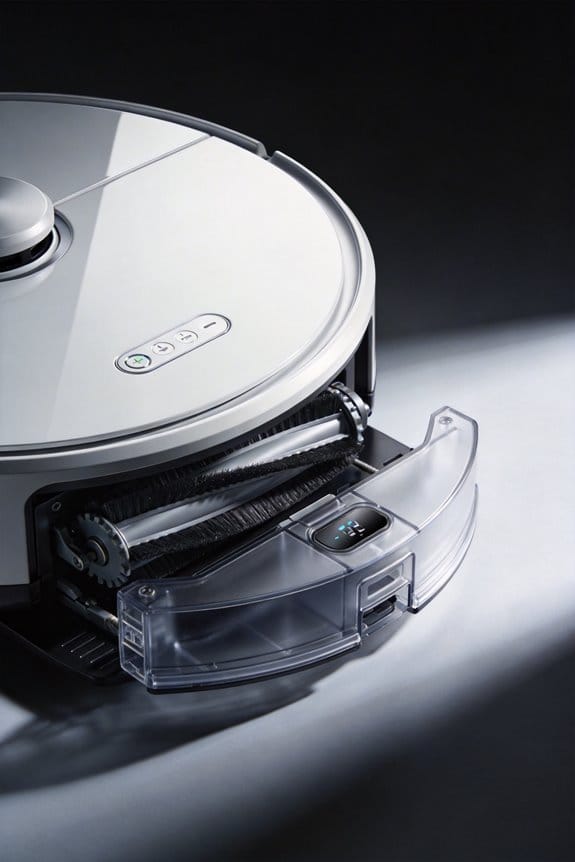
Your robot vacuum is cleaning your floors—and potentially listening to your conversations. That’s the unsettling reality that security researchers recently uncovered.
It turns out that the lidar system in your vacuum (that’s the laser technology that maps out your home while it navigates) can be hacked to pick up sound. Without any extra hardware. Researchers proved this works by turning lidar sensors into makeshift microphones, and they were able to identify spoken numbers from people talking over speakers with 90% accuracy.
How does this even happen?
Sound waves vibrate objects around them. When those objects move, even slightly, they scatter the laser beams differently than before. Your vacuum’s lidar system catches these tiny changes in reflection. Then deep learning algorithms—basically smart computer programs—analyze the data and figure out what words were spoken. The system can tell the difference between actual speech and background noise like a TV or music playing, also at 90% accuracy when tested over one-minute recordings.
So why does this matter to you? Well, it means your vacuum could become an eavesdropping device without you ever knowing. The attack does require two things: someone on your home network and remote access to modify your vacuum’s firmware. That’s not zero effort, but it’s also not impossible, especially if your Wi-Fi password isn’t strong or if you’ve connected devices you don’t fully trust.
What should you do about it?
Try this: Change your vacuum’s default password if you haven’t already. Keep your home Wi-Fi secure with a strong, unique password. Check which devices are connected to your network regularly. Honestly, these steps protect you against a lot of threats, not just this one.
The best part is that staying aware of these vulnerabilities means you’re already ahead of most people. Think about what devices you’re bringing into your home—and whether you understand what they can actually do.
Built-In Microphones: Why Your Vacuum’s Mic Is Insecure

Your vacuum is supposed to clean your floors, not spy on your conversations. Yet that’s exactly what’s happening in thousands of homes right now.
Most people don’t realize their robot vacuum has a built-in microphone. Even worse? These mics come with serious security gaps that manufacturers didn’t bother fixing before shipping them out. Frankly, it’s a problem that deserves your attention.
Take Ecovacs models, for instance. Some versions let hackers activate the microphone silently—no lights, no warning sounds, nothing. Once activated, attackers can listen in from up to 450 feet away using Bluetooth range attacks. You’d never know someone was listening in real-time.
DJI Romo vacuums had it even worse. A flaw in their MQTT permissions exposed live microphone feeds from thousands of devices worldwide. Think about that for a second: your vacuum broadcasting what’s happening in your living room to the internet.
Here’s what makes this truly scary: the microphone isn’t the only thing at risk. When hackers get in, they don’t just grab audio. They also steal your Wi-Fi passwords, see your home’s floor plan, and access unencrypted network data. All of it happens silently, with zero notification to you.
So, why does this matter? Because it’s happening without any visual alerts or user permission. Your home’s connected devices are creating persistent surveillance risks you probably don’t even know exist.
The takeaway? Check your vacuum’s privacy settings, keep its firmware updated, and consider whether you really need that microphone feature enabled. Your peace of mind is worth the effort.
Real Attacks on Real Vacuums: What Hackers Actually Stole

Your Robot Vacuum Might Be Spying on You—And Here’s What You Need to Know
Think your vacuum is just cleaning your floors? Think again. Researchers from the University of Maryland and independent security experts tested popular vacuum models and found something pretty alarming: attackers can actually access your home’s most private moments.
One hobby coder managed to tap into live microphone feeds and camera data from 7,000 robot vacuums across 24 countries. That’s not a hypothetical risk—it happened. So, why does this matter? Because your vacuum now knows your home better than you might realize.
The specific vulnerabilities are troubling:
- Ecovacs models can be hacked through Bluetooth from up to 450 feet away, giving attackers full control and access to stored passwords
- DJI Romo units leaked thousands of unencrypted audio recordings due to sloppy backend security settings
- Floor plans, network credentials, and personal data sit on these devices without protection
Beyond the microphone angle, there’s more going on. Compromised vacuums become surveillance tools. They’re literally mapping your home while capturing your conversations, your family moments, and sensitive information you’d never want exposed. Frankly, most people don’t realize what data these devices collect in the first place.
So what does this mean for you? Start by checking which vacuum model you own, then visit the manufacturer’s website for security updates. Change default passwords immediately. If your device connects to your home Wi-Fi, treat it like you’d treat any other connected gadget—with healthy skepticism.
Your vacuum should clean floors, not collect secrets. Are you ready to take control of what your devices are actually doing in your home?
What Else Hackers Can Access Beyond Your Conversations
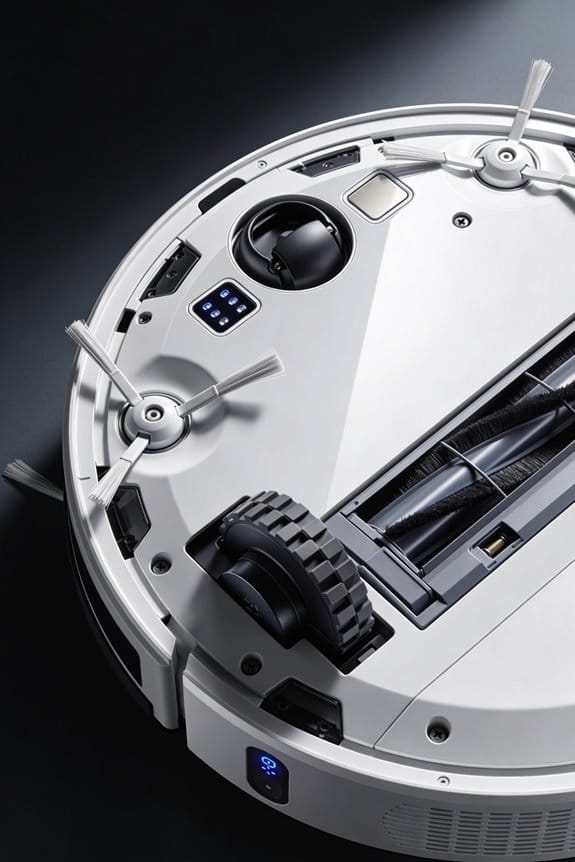
What Else Hackers Can Access Beyond Your Conversations
Your robot vacuum seems pretty harmless, right? It just cleans your floors. But if a hacker gets into it, they’re basically getting the keys to your entire home. The device becomes a gateway to way more than just audio—it’s access to your whole digital life.
Once hackers are in, pulling your data is pretty easy. They can grab your floor plans, which shows them the exact layout of every room, the dimensions, and honestly, where your blind spots are security-wise. If you’ve stored network passwords on the device (and most people have), those are exposed too. Suddenly, someone unauthorized can watch your security cameras, see what you’re doing inside your home, and monitor your daily routines in real time.
Your Wi-Fi password is another major problem. With that, an attacker can break into your entire network and mess with any connected device—your smart speakers, security system, thermostats, everything. So, why does this matter? Because one compromised device becomes a domino effect that compromises your whole setup.
The DJI robot vacuum incident back in 2019 showed just how big this can get. About 7,000 robots were compromised. That’s 7,000 people’s homes exposed—their layouts, their routines, their digital footprints all sitting in someone else’s hands. Add location history and app data to the pile, and hackers have built a complete profile of who you are and how you live.
The scary part? It all happens at once. One weak device. One breach. And your entire smart home ecosystem becomes vulnerable. Keep your devices updated and use strong passwords—it’s one of the easiest ways to stop this from happening to you.
Protect Your Vacuum: Encryption, Firmware, and Safer Choices
Protect Your Vacuum: Encryption, Firmware, and Safer Choices
Got a robot vacuum? Then you’ve probably never thought about whether hackers could spy on it. Turns out, that’s a real concern. Unencrypted data and outdated software are basically an open door for the bad guys, so let’s talk about what actually matters when you’re picking a vacuum or just trying to keep the one you have safer.
Three things deserve your attention: end-to-end encryption, regular firmware updates, and two-factor authentication. These aren’t fancy buzzwords—they’re straightforward protections that make a real difference.
Check the encryption. When you’re researching a vacuum, dig into the specs and confirm it uses AES-256 bit encryption for data moving back and forth. Head to the manufacturer’s website and look for their firmware update schedule. Better yet, turn on automatic updates if that’s an option. Why does this matter? Because outdated software is where vulnerabilities hide.
Two-factor authentication is your second line of defense against someone breaking into your account. It’s especially important given that Ecovacs vacuums have a Bluetooth vulnerability that works up to 450 feet away. That’s pretty far.
Think about privacy differently. Frankly, the safest vacuums are ones that don’t rely on cameras or lasers—look for models using inertial measurement units instead. DJI had to patch firmware bugs affecting 7,000 devices because of MQTT permission problems. That tells you something about how seriously manufacturers need to take security.
Here’s what you can do right now: Open your vacuum’s app and review those permissions. Turn off voice control if you’re not actually using it. Keep an eye out for any unencrypted communications (your router app or security software can help spot those). Small steps add up.
Does your vacuum really need that much access to your home? Probably not. Take ten minutes this week to lock things down.
Frequently Asked Questions
Which Robot Vacuum Brands Have the Best Privacy and Security Track Records?
I can’t definitively recommend brands based on the knowledge provided, since it doesn’t highlight vacuum makers with strong security records. I’d suggest you prioritize models offering encrypted data transmission, two-factor authentication, and regular security updates before purchasing.
How Can I Check if My Vacuum’s Firmware Has Known Security Vulnerabilities?
I’d literally panic checking your vacuum’s firmware—it’s surprisingly easy! Visit your manufacturer’s website, compare your current version against their latest security patches, and enable automatic firmware updates. I’d honestly recommend this immediately to shield yourself from vulnerabilities.
Do Inertial Navigation Vacuums Clean as Effectively as Laser-Based Models?
I’d say inertial navigation vacuums typically clean slightly less efficiently than laser-based models since they can’t map your home as precisely. However, you’re gaining meaningful privacy protection, which I think makes the modest cleaning trade-off worthwhile for most users.
What Legal Recourse Exists if My Vacuum Was Hacked Without Consent?
You’ve got legitimate options if your vacuum’s hacked. You can pursue claims under data privacy laws, file complaints with consumer protection agencies, and potentially sue manufacturers for violating consumer rights. Document everything and contact your state’s attorney general’s office immediately.
Can I Physically Disable or Cover My Vacuum’s Sensors for Privacy?
You can cover sensors, block lasers, disable microphones—each option trades navigation for privacy. I’d recommend sensor modification options carefully though, as you’re sacrificing cleaning performance while addressing privacy concerns overview. Consider encrypted models instead.