As an Amazon Associate, we earn from qualifying purchases. Some links on this site are affiliate links at no extra cost to you. Our recommendations are based on thorough research and editorial judgment.


Electrolyzed Water in Robot Docks: The Science of Chemical-Free Cleaning

Electrolyzed water technology splits tap water into alkaline and acidic solutions through electricity, creating a hospital-grade disinfectant matching bleach’s 99.99% sterilization rate without toxic chemicals. Your robot dock generates this powerful cleaner instantly, using pH12 alkaline water that disrupts bacterial cell walls microscopically while eliminating harsh chemical residues and odors. The dual-rotation system combines mechanical scrubbing with chemical disinfection, then centrifugal drying completes the cycle in under 30 minutes. This chemical-free approach proves safe for pets and children while delivering genuine antimicrobial effectiveness that warrants deeper exploration.
Key Takeaways
- Electrolyzed water is created by combining tap water, salt, and electricity to produce alkaline and acidic solutions for cleaning.
- The alkaline solution (pH12) disinfects surfaces by disrupting bacterial cell walls, achieving 99.99% sterilization comparable to bleach.
- No toxic chemicals or chlorine remain in electrolyzed water, making it safe for homes with pets and children.
- Robot docks automatically clean and dry brushes using electrolyzed water with centrifugal spinning, completing the process in under 30 minutes.
- Chemical-free sterilization improves indoor air quality while eliminating storage needs and health risks associated with traditional cleaning products.
How Electrolysis Transforms Tap Water Into a Powerful Disinfectant?
How Electrolysis Transforms Tap Water Into a Powerful Disinfectant
Ever wonder why your robot dock’s self-cleaning cycle actually works? It’s because of something pretty clever happening right in that water tank—a simple electrical process that turns regular tap water into a serious disinfectant, no chemicals needed.
You may be interested

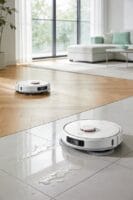
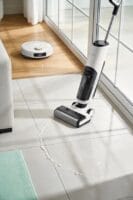
Here’s what’s actually going on: electricity, salt, and tap water combine to split water molecules into two different solutions—one alkaline and one acidic. Your dock creates pH12 electrolyzed water, which packs the same disinfectant punch as bleach when it comes to killing bacteria.
The process sounds fancy, but it really isn’t. You’re basically harnessing basic electrochemistry to do the heavy lifting. The slight chlorine smell you might notice? That’s just the reaction at work—there’s no actual chlorine in the final solution, which is why it’s safe to use around your home.
So, why does this matter? Because you’re getting hospital-grade sanitation without toxins, solvents, or anything synthetic touching your surfaces. The numbers back it up too: this method achieves 99.99% sterilization across robot systems.
Try this: next time you run that self-cleaning cycle, remember you’re not spraying chemicals everywhere. It’s just electricity and water doing what water does best—staying clean and keeping things clean. No complicated maintenance, no hazardous bottles under the sink.
The best part is the simplicity of it all. Your robot dock handles the whole disinfection job using only electricity and water. That’s genuinely worth appreciating.
Why pH12 Electrolyzed Water Beats Chemical Cleaners

Why pH12 Electrolyzed Water Beats Chemical Cleaners
Ever worry about storing bleach in your home? Your robot dock can skip that problem entirely by making its own disinfectant right from tap water, salt, and electricity. No synthetic chemicals sitting under your sink. No hazmat precautions. Just clean water doing the heavy lifting.
Here’s what makes this actually work: pH12 electrolyzed water kills 99.99% of bacteria the same way bleach does, but without the toxins. You’re getting hospital-grade sanitation from basic ingredients—nothing exotic, nothing that’ll hurt your lungs or your kid’s skin if they touch the brush.
Think about your current cleaning routine. Traditional cleaners demand careful storage, special handling, and disposal headaches. Electrolyzed water cuts through all of that. No residual gunk building up on your robot’s roller brush. No toxic fumes when the dock kicks on. No worrying about what you’re breathing while it runs.
So, why does this matter if you have pets or young kids at home? The answer’s simple: you’re not trading one problem for another. While bleach scrubs surfaces clean, it also corrodes materials, leaves chemical residue, and can irritate airways. The alkaline solution from your dock does the same job without those downsides.
Frankly, the evidence backs this up. Food Safety Magazine and other credible sources confirm that electrolyzed water delivers the disinfection power you need. Try this: compare it head-to-head with your current cleaner—same bacteria elimination, zero hazardous chemicals.
Better safety, better results, less stress. Isn’t that the whole point?
The Electrolyzed Water Self-Cleaning Cycle: Scrubbing to Drying

The Electrolyzed Water Self-Cleaning Cycle: Scrubbing to Drying
Tired of dealing with a robot vacuum dock that smells like stale water and bacteria? Most robot docks have a self-cleaning cycle that wraps up in under 160 seconds—no chemicals needed, just electrolyzed water, some mechanical action, and heat to dry everything out.
Here’s how it actually works. You hit the button, and your dock starts making pH12 electrolyzed water while the brush spins into action. The dual-rotation system squeezes and scrapes your roller brush over and over, working out all the dirt, pet hair, and gunk stuck in the bristles. At the same time, the dock sucks up the dirty water automatically, rinsing away the loosened mess and killing bacteria as it goes.
So, why does this matter? Because your vacuum brush is where all the nasty stuff collects. If you don’t clean it properly, you’re just spreading that grime back onto your floors every time the vacuum runs.
After the scrubbing part finishes, centrifugal drying kicks in and spins out leftover moisture from the brushes and internal parts—the whole thing takes about 30 minutes tops. Try this: let the cycle run overnight so your dock is completely dry and ready to go by morning.
Frankly, the best part is you don’t have to add any cleaning solution or do anything by hand. The system delivers 99.99% sterilization rates without chemicals, which means your home stays cleaner without extra work on your end. That’s solid protection for your family’s hygiene, and it happens automatically every single time.
Want to know if your current dock setup is actually keeping your vacuum clean?
How Effective Is It? The 99.99% Sterilization Standard

How Effective Is It? The 99.99% Sterilization Standard
So your robot vacuum’s self-cleaning dock looks fancy, but does it actually work? That’s the real question most people want answered.
The short answer: yes, it does. Robot docks that use pH12 electrolyzed water kill 99.99% of bacteria and pathogens—the same effectiveness you’d get from bleach, minus the harsh chemicals sitting under your sink. The water works by breaking down bacterial cell walls at a microscopic level, which honestly is pretty wild when you think about it.
Here’s why this matters: your vacuum brush and filter collect all kinds of nasty stuff throughout the day. Dust mites, pet dander, mold spores—things you can’t see but definitely don’t want spreading around your home. Independent testing from sources like Food Safety Magazine has validated this technology, so it’s not just marketing hype.
The best part is how it actually happens. The contactless cleaning process means:
- No human hands touching contaminated parts
- Zero cross-contamination during the disinfection cycle
- Your brush and filter emerge virtually pathogen-free after each run
Truth is, most people don’t think about the bacteria their cleaning tools are spreading back into the house. But with an electrolyzed water dock, you’re actually reducing the germs your robot reintroduces to your floors, which adds real protection for your family’s health.
Does it matter to you that your cleaning equipment is also getting cleaned? It probably should—especially if anyone in your home has allergies or a weakened immune system.
Drying Times and Maintenance Schedules for Electrolyzed Water Robots
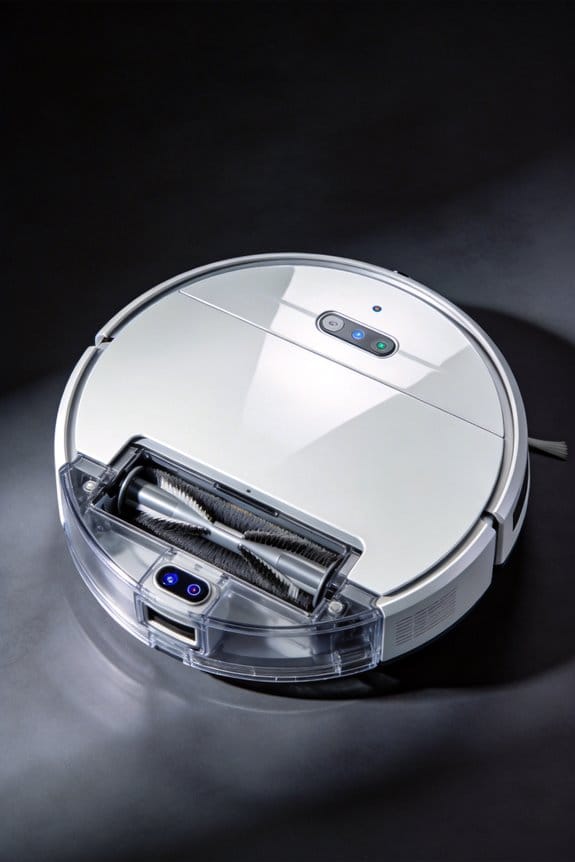
After your robot’s self-cleaning cycle finishes, you’re probably wondering: when can I actually use the thing again? The good news is that most electrolyzed water robots dry in under 30 minutes thanks to centrifugal spinning. That means you’re not sitting around waiting—you can run daily cleaning sessions without pulling your hair out. But here’s the thing about drying: it directly impacts how long your brushes last and whether your robot performs consistently over time.
So, why does maintenance frequency matter? Honestly, it comes down to your specific situation. If you’ve got an average household, a weekly self-cleaning cycle keeps things in check. But throw in kids, pets, or a high-traffic entryway, and you’ll want to bump that up to twice a week. Your robot’s AI DirtSense™ feature actually handles some of this thinking for you—it runs cleaning cycles anywhere from 55 to 160 seconds depending on how gunked up the system is, which saves water and cuts down drying time too.
The maintenance basics are straightforward:
- Check filters once a month for buildup
- Empty wastewater tanks after every three or four cleaning cycles
- Stick to this routine and you’ll maintain that 99.99% sterilization rate
Truth is, most people skip the filter checks or forget about the wastewater tank until something smells off. Don’t be that person. These quick tasks prevent bacterial growth and keep your system running strong for years. Spending five minutes a month now saves you headaches later.
Top Robot Models Using Electrolyzed Water Technology
If you’re tired of chemical smells and wondering whether your robot vacuum is actually getting your floors clean, you’re not alone. A lot of people don’t realize that some of the best cleaning happens when you ditch the harsh stuff altogether. That’s where electrolyzed water technology comes in—and honestly, it’s worth paying attention to.
The Narwal S10 Pro uses a rotating drum base that cleans and disinfects its own brushes automatically. You get 99.99% sterilization without any chemicals sitting around your home. It sounds almost too simple, but the science is solid.
Dreame H14 Pro generates electrolyzed water the moment it powers on. No waiting around for the machine to prep itself. This means you can start your cleaning session right away without losing time, which matters if you’re juggling a busy schedule.
Want something with serious cleaning muscle? HYTRON is commercial-grade equipment designed for tough jobs. It combines pH12 electrolyzed water with UV targeting and air-blower drying. So why does this matter? Because you’re getting multiple cleaning methods working together instead of relying on one approach.
Here’s the trick: all these models use intelligent dirt sensors that adjust their self-cleaning cycles between 55 and 160 seconds depending on how dirty the brushes actually are. You’re not running unnecessary cycles or wasting energy on light cleaning days.
The best part is that each robot uses only tap water and electricity to create its cleaning power. No special cartridges, no chemical refills, no mystery ingredients. These machines prioritize chemical-free sanitation while keeping your floors genuinely clean through actual electrolysis science.
Is Electrolyzed Water Safe for Your Home and Family?
Tired of choosing between a clean home and keeping your family safe from harsh chemicals? Electrolyzed water might be the answer you’ve been looking for.
Here’s what’s actually different about it: instead of mixing in synthetic compounds or toxic fumes, electrolyzed water is made by running electricity through tap water and salt. That’s it. No weird residues hanging around your house, no strong smells that make your eyes water. Your family breathes easier because there’s nothing irritating in the air or on surfaces.
The sterilization power is legit—it kills 99.99% of bacteria without needing solvents or detergents that trigger respiratory problems or skin issues. So why does this matter? Because you’re not trading one problem for another. You’re actually getting effective cleaning without the downsides.
One real benefit I’ve noticed people appreciate: when robots equipped with this technology run their self-cleaning cycles, you don’t have to worry about handling or storing dangerous chemicals. The disinfectant does its job automatically, and you stay completely away from it. No direct contact means no accidental spills or kids getting into something they shouldn’t.
The best part is it works. The pH12 solution is strong enough to match bleach’s disinfecting ability—but it won’t poison anyone or damage your home’s air quality or surfaces. Honestly, that’s a pretty solid combination.
Does knowing your cleaning method is both effective and safe change how you think about keeping your home?
Frequently Asked Questions
Does Electrolyzed Water Production Require Special Salt Additives or Just Tap Water?
You’d think you’d need fancy additives, but I’m telling you—you don’t. I simply use tap water with salt to create electrolyzed water. The salt concentration matters for effectiveness, though your water quality determines the sterilization power you’ll actually achieve.
Can Electrolyzed Water Robots Clean Delicate Floor Surfaces Without Causing Damage?
I can confirm that electrolyzed water robots safely clean delicate surfaces because they use only tap water—no harsh chemicals. You’ll get excellent cleaning effectiveness without damage, as the pH12 solution provides bleach-level disinfection while remaining gentle on sensitive floors.
What Happens if the Robot Dock Runs Out of Water Mid-Cycle?
I’ve wondered if you’d ask this! When your dock runs dry mid-cycle, it’ll pause operations—interrupting robot cycles until you refill it. Most modern models feature efficient water usage systems that prevent this, though I’d recommend checking your tank before each cleaning session.
How Often Should Water Tanks Be Emptied and Refilled for Optimal Performance?
I’d recommend emptying your clean water tank weekly and refilling it for ideal tank maintenance and water freshness. This guarantees you’re always producing effective electrolyzed water and prevents bacterial growth in stagnant water between cleaning cycles.
Are Electrolyzed Water Robots Compatible With Smart Home Automation Systems?
I’d say yes—most electrolyzed water robots offer smart integration features. You can connect them to your home automation system for scheduled cleaning cycles, remote monitoring, and automatic dock maintenance alerts through compatible apps.


