As an Amazon Associate, we earn from qualifying purchases. Some links on this site are affiliate links at no extra cost to you. Our recommendations are based on thorough research and editorial judgment.


The Environmental Cost of Non-Replaceable Lithium-Ion Vacuum Batteries

Non-replaceable lithium-ion batteries in vacuums trap you in environmental harm. Producing one tonne of lithium releases fifteen tonnes of CO2, while ninety-eight percent of these batteries end up in landfills, leaking heavy metals into soil and groundwater. Recycling cuts emissions fifty-eight to eighty-one percent, yet sealed designs prevent efficient recovery. Replaceable battery standards could extend device lifespans five to ten years, drastically reducing waste and manufacturing demand. Understanding this cycle reveals why design choices matter profoundly.
Key Takeaways
- Non-replaceable batteries in vacuums force premature device disposal, increasing e-waste and environmental degradation when batteries degrade.
- Sealed battery designs complicate recycling processes, requiring heavy-duty mechanical or chemical methods that limit material recovery rates.
- 98% of lithium-ion batteries end up in landfills, leaking heavy metals into soil and groundwater instead of recycling facilities.
- Replaceable battery standards could extend vacuum lifespans by 5-10 years, significantly reducing manufacturing emissions and raw material demands.
- Modular designs improve recycling efficiency through easier disassembly, standardized specifications, and reduced contamination during the collection and processing stages.
How Mining Non-Replaceable Batteries Destroys Soil and Water
You may be interested



Ever wonder what’s actually happening in the ground under your phone charger? Lithium-ion batteries are everywhere—your phone, your laptop, your electric car—but most of us never think about where that power really comes from.
Here’s what’s going on: lithium mining is tearing up landscapes in ways that stick around for decades. When companies dig for lithium, they release toxic chemicals that seep into groundwater and poison the soil where people grow food. For every tonne of lithium they pull out, they’re pumping fifteen tonnes of CO2 into the air. That’s a lot of carbon just to power your devices.
The water situation is frankly brutal. Mining operations need massive amounts of freshwater—we’re talking about operations in deserts and arid regions where water’s already scarce. They divert rivers, drain aquifers, and contaminate what’s left with heavy metals and mineral waste. Communities that depend on those water sources? They’re the ones who suffer.
So, why does this matter to you specifically? Because that battery in your pocket has a real cost. The soil gets destroyed. Crops can’t grow properly. Drinking water becomes unsafe. These aren’t abstract problems happening somewhere far away—they’re affecting real people and ecosystems right now.
The tough part is that the damage doesn’t stop when your battery dies. Soil contamination lingers for years. Water stays poisoned. Agricultural land becomes unusable. You’re not just paying with your money at checkout—vulnerable communities worldwide are paying with their environment.
Think about this: what can you actually do differently? Understanding where your devices come from is the first step toward making better choices.
Non-Replaceable Battery Production Emits More Than Gasoline Cars

Non-Replaceable Battery Production Emits More Than Gasoline Cars
So you’re thinking about going electric to help the planet. That’s great—but here’s something most people don’t talk about: the battery itself creates a massive environmental problem before your car even hits the road.
The manufacturing of lithium-ion batteries generates more greenhouse gas emissions than building an entire gasoline car. That’s not a small detail. This happens in three energy-heavy stages: mining the minerals, processing the raw materials, and assembling the cells and modules. Each step pumps out serious emissions.
Here’s the real kicker: China produces about 60% of the world’s battery capacity, and much of that power comes from coal. This means the supply chain is locked into a carbon-intensive process from start to finish. On top of that, making these batteries demands three times more cumulative energy compared to regular batteries. The environmental math gets messy fast.
Think about it this way—your battery’s production phase alone accounts for 40% of its total climate impact over its entire lifetime. That’s a huge chunk of damage done before you’ve even driven a mile. Most people focus on how clean the car runs after purchase, but the damage is already baked in.
Why does this matter? Because early manufacturing decisions shape your vehicle’s environmental footprint permanently. You can’t undo the emissions from production, no matter how efficiently you drive later.
Understanding this manufacturing burden helps you make smarter choices about which vehicle actually fits your values. Don’t assume electric automatically means better for the planet—at least not right away.
Landfills Can’t Handle These Batteries: Here’s What Happens

Landfills Can’t Handle These Batteries: Here’s What Happens
You probably toss your old phone or laptop battery in the trash without thinking twice. But that single decision affects your groundwater, your neighbors’ health, and the air quality in your area.
Truth is, about 98% of lithium-ion batteries end up in landfills instead of recycling facilities. That’s a massive problem because these batteries leak heavy metals—cobalt, nickel, and lithium—straight into the soil and groundwater your community depends on. Once that contamination starts, it’s nearly impossible to stop.
So, why does this matter to you specifically? Because landfill fires fueled by reactive battery components burn for years without control. The graphite inside burns and releases toxic dust and greenhouse gases into the air. You’re breathing that pollution whether you realize it or not.
The good news? Certified recycling facilities exist specifically to handle this mess safely. They recover valuable materials from dead batteries while eliminating the toxicity and fire hazards that come with landfill storage.
Try this: Next time your battery dies, look up a local e-waste recycling center. It takes five minutes, and you’ll sleep better knowing you’re not poisoning your own water supply.
Recycling Cuts Emissions 58–81%, But Design Gets in the Way
Recycling Cuts Emissions 58–81%, But Design Gets in the Way
Want to feel good about recycling your old battery? Here’s something that might surprise you: recycling lithium-ion batteries actually cuts greenhouse gas emissions by 58 to 81 percent compared to digging up brand new materials from the ground. That’s huge. But there’s a catch that most people don’t talk about.
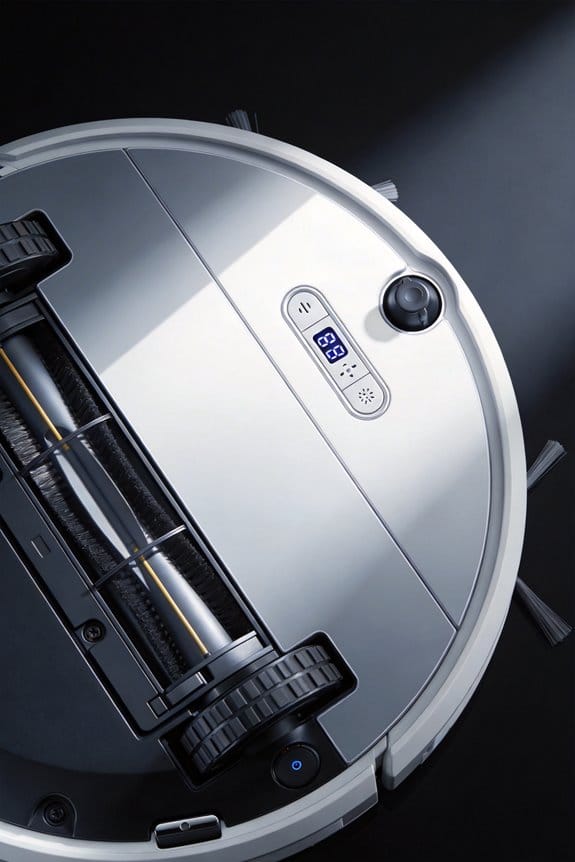
Those sealed, non-replaceable vacuum batteries you’ve got sitting in a drawer? They’re recycling nightmares. The manufacturers built them to stay shut, which means recyclers can’t just pop them open and sort the good stuff. Instead, they’ve got to use heavy-duty mechanical or chemical processes to break everything down—and that takes serious energy and money.
So, why does this matter? Because all those environmental benefits start to shrink when recyclers have to work twice as hard to get the materials out. The sealed design forces them into inefficient extraction methods that cost more and recover less material than they would from a battery built with disassembly in mind.
The real problem isn’t recycling itself—it’s that manufacturers haven’t prioritized making batteries that are actually easy to take apart. Honestly, the industry could fix this tomorrow if they wanted to. Better designs mean lower processing costs, higher recovery rates, and actual sustainability that isn’t just on paper.
Your move? Start paying attention to which manufacturers are thinking ahead. Support the ones building batteries that can be properly disassembled and recycled. That’s the only way we’ll get the full environmental benefit recycling promises to deliver.
Why Replaceable Standards Are the Real Solution

Why Replaceable Standards Are the Real Solution
Got a phone or laptop that’s basically useless because the battery died? You’re not alone. Sealed batteries trap us in a cycle where a dead battery means a dead device, and that’s where replaceable battery standards actually make a difference. Instead of designing products that fall apart, manufacturers can build modular systems that last longer and stay out of landfills.
Here’s what happens when batteries become something you can swap out yourself: recycling actually works better. You’re dealing with less contamination during disassembly, the recycling plants spend less money processing materials, and they recover way more lithium, cobalt, and nickel. Standardized specs mean manufacturers aren’t all doing their own thing—fewer variations make the whole recycling operation smoother and faster.
So, why does this matter to your wallet and the planet? Extended battery life through replacement can stretch a product’s lifespan by 5 to 10 years. That’s a real dent in how much mining we need to do for new materials. Your old phone isn’t heading to a landfill next year.
The practical side deserves attention too:
- Modular designs cut down on transportation emissions during collection and recycling
- Simpler logistics mean faster, cheaper processing
- Less frequent device replacement reduces overall waste
Frankly, this approach is straightforward—it’s not flashy, but it works. You get more life out of what you own, manufacturers get a cleaner supply chain, and the recycling industry can actually do its job efficiently.
What if the products you buy were designed to last with you, not against you?
Frequently Asked Questions
How Do Lithium-Ion Battery Fires in Landfills Differ From Typical Waste Management Fires?
I’d explain that lithium-ion battery fires differ because their unique chemical composition—containing reactive electrolytes and combustible materials—burns uncontrollably, whereas typical waste decomposition produces manageable heat. These fires persist for years, releasing hazardous metals that traditional waste management fires simply can’t.
What Specific Health Risks Arise From Inhaling Dust During Non-Replaceable Battery Processing?
I’ve witnessed how dust becomes a silent thief during battery processing. You’re facing respiratory issues from toxic exposure to heavy metals and chemicals—your lungs absorb particles that trigger inflammation, infections, and long-term damage. It’s a debt your body pays.
Can Current Recycling Technology Recover All Valuable Metals From Non-Replaceable Battery Designs?
I’d say current recycling technology can’t recover all valuable metals from non-replaceable battery designs. While metal recovery rates are impressive—recovering lithium, nickel, and cobalt—recycling efficiency remains incomplete, especially for dispersed trace elements in integrated systems.
How Long Do Lithium-Ion Batteries Burn Uncontrollably Once Landfill Fires Ignite?
I’ll tell you honestly: once ignited, lithium-ion landfill fires can burn uncontrollably for years. The heat generation’s so intense that you’re looking at temperatures exceeding 1,000°C, making the burn duration nearly impossible to control or extinguish completely.
What Percentage of Global Lithium-Ion Batteries Currently Receive Proper Recycling Treatment?
I’m informing you that frankly, few batteries receive recycling treatment—less than 5% globally. Recycling trends remain remarkably low despite benefits. Your battery’s lifespan ends, yet most miss proper processing, meaning massive environmental damage persists persistently.


