As an Amazon Associate, we earn from qualifying purchases. Some links on this site are affiliate links at no extra cost to you. Our recommendations are based on thorough research and editorial judgment.


How Automated Cleaning Is Influencing the Concept of the “Weekend Deep Clean”

Automated cleaning systems are replacing your weekend deep-clean model with continuous, AI-driven sanitation that adapts to actual usage patterns. Instead of fixed schedules, AI detects dirt 30% better than walk-throughs, triggering cleaning only when needed based on real-time foot traffic. Robotic systems cost $0.41 hourly versus $7.56 for human cleaners, enabling affordable 24/7 operations with one-to-four month payback periods. Hospitals adopting daily sanitation report reduced infection rates, making weekend-only protocols increasingly obsolete for modern facilities seeking ideal health standards.
Key Takeaways
- Automated cleaning systems enable continuous daily sanitation, making traditional weekend deep cleans obsolete and less effective for maintaining hygiene standards.
- AI-driven scheduling detects dirt in real-time and triggers cleaning based on actual need rather than fixed weekly schedules, improving efficiency.
- Healthcare facilities adopting daily automated sanitation outperform those relying on weekend deep cleans, reducing infection rates and improving patient outcomes.
- Robotic cleaning operates 24/7 affordably at $0.41 per hour, eliminating the need for expensive weekend overtime labor associated with deep cleans.
- Pathogens persist continuously throughout the week, making weekend-only cleaning inadequate; automated systems provide consistent protection through daily monitoring and disinfection.
From Weekend Deep Cleans to Daily Continuous Maintenance
From Weekend Deep Cleans to Daily Continuous Maintenance
Stuck cleaning your whole facility on Saturday mornings while it gets progressively dirtier throughout the week? That’s the trap most facility managers fall into, and honestly, it doesn’t have to be this way.
You may be interested

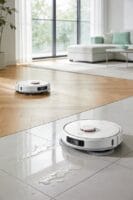
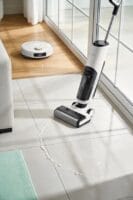
AI-driven sensors are changing how facilities stay clean. These smart systems detect dirt and grime about 30% better than what humans catch with a walk-through, and they only trigger cleaning when your space actually needs it—not based on some calendar schedule that may or may not fit your real situation.
Here’s the trick: the system watches your actual foot traffic and occupancy patterns, then adjusts cleaning frequency accordingly. So a conference room that sits empty three days a week doesn’t get the same attention as your main lobby. This isn’t just about being smarter with your schedule—it’s about getting better results with less wasted effort.
The money part gets interesting fast. Robotic floor scrubbers run 24/7 at about $0.41 per hour, while hiring someone to do that same work costs $7.56 per hour. Why does this matter? Because it makes round-the-clock cleaning actually affordable, which means your facility stays consistently cleaner without blowing your budget on overtime labor.
Try this: instead of planning cleaning around your work week, let data-driven monitoring handle it. Your facility gets watched constantly, problems get caught early, and your cleaning team works smarter instead of just longer hours on weekends.
The best part is you’re not stuck with rigid schedules anymore. Your cleaning adapts to what’s actually happening in your building—whether that’s a busy conference season or a slow period. You’ll end up with genuinely cleaner spaces while cutting labor costs and fitting cleaning around how you actually operate.
What would it mean for your operation if your facility stayed this clean without the weekend scramble?
How Robots Make 24/7 Cleaning Affordable

How Robots Make 24/7 Cleaning Affordable****
Stuck paying for night shift cleaners when your building’s empty? Or watching overtime costs climb because you need coverage around the clock? Robotic cleaning might sound like a luxury, but the math actually works in your favor.
The numbers tell the story. Robots cost about $0.41 per hour to run, while hiring someone costs $7.56. That gap explodes when you’re talking about 24/7 operations. Add in the fact that AI can spread cleaning tasks evenly across the whole day instead of cramming everything into nights and weekends, and suddenly you’re not paying premium overtime rates for skeleton crews.
Why does this matter? Because real-time occupancy sensors mean robots don’t clean empty rooms on a fixed schedule. They actually adjust based on foot traffic. No more wasteful over-cleaning during slow periods—the system just runs more frequently when people are actually around.
Honestly, the payback period is quick enough that it’s not some risky bet:
- Small facilities: one to three months to break even
- Medium facilities: two to four months
- Larger operations: three to four months (depending on current labor costs)
The best part? You’re not replacing your skilled staff. You’re freeing them up. Those hours you’d spend on repetitive mopping and floor work get redirected toward the tasks that actually need a human touch—detail work, special care, problem-solving. Your facility stays spotless 24/7, your labor budget does more meaningful work, and your overhead shrinks by around 94% on basic floor cleaning.
How AI Schedules Cleaning Around Your Actual Occupancy

How AI Schedules Cleaning Around Your Actual Occupancy
Think about it—why would you pay to have machines scrubbing your floors at 2 a.m. when nobody’s even there? That’s the problem with old-school fixed cleaning schedules. Robots running 24/7 on a preset timetable waste money and energy when your building’s sitting empty.
This is where occupancy analysis comes in. AI systems watch your building’s foot traffic patterns in real-time, figuring out exactly when spaces are actually being used. Instead of running the same schedule every week regardless of what’s happening on the ground, your facility management system gets smart about it. The robotic scrubbers only kick in during the slow hours—when people aren’t around to get in the way.
So, why does this matter? Because data-driven cleaning takes the guesswork out of facility management. Instead of assuming you need a deep clean on Saturday mornings just because that’s when you’ve always done it, the system responds to what’s really happening in your building:
- Staff schedules fluctuate week to week
- Conference rooms sit empty some days
- Lobby traffic spikes at certain times
You’re no longer throwing money at cleaning when nobody needs it. The system triggers cleanings based on actual usage, which means you get consistent results while cutting down on unnecessary operational hours. Honestly, it’s one of the smarter moves you can make if you’re managing a facility on a budget.
The best part is that you’re only paying for the cleaning your building actually requires. No more overages, no more wasted runs during dead hours. What matters most to you—cost savings or consistency? With this approach, you don’t have to choose.
What Your Cleaning Team Does Now

What Your Cleaning Team Does Now
Ever wonder what happens to your cleaning staff once robots start handling the floors? It’s not what you’d expect. Automation takes care of the repetitive scrubbing, mopping, and floor maintenance—the stuff that used to eat up most of your team’s day. Your people shift into different roles. Instead of pushing mops around, they’re now overseeing the machines, spotting problems, and handling the tricky cleaning situations that need a human touch.
This shift actually matters more than you might think. Your staff now monitors smart sensors that catch dirt with 30% higher accuracy than the old manual methods, manages robotic operations, and tackles specialized cleaning challenges. They’re becoming system managers and problem-solvers instead of just task workers.
Here’s the practical side: formal training and accreditation become real necessities. Your cleaning professionals start developing expertise in specific environments—hospital-grade sanitation, food service prep areas, sensitive lab spaces. That level of specialization adds serious value to your team.
The safety numbers are worth mentioning too. Cleaning firms using AI-powered systems report enhanced safety because real-time hazard detection catches risks before anyone gets hurt. In my experience, this kind of improvement shows up in fewer worker injuries and lower insurance costs. Ninety percent of cleaning companies utilizing this technology have seen measurable safety improvements.
Truth is, this reallocation lifts your team’s status considerably. They’re not just doing the work—they’re managing it, improving it, and keeping your facility safer. So what does your cleaning team actually look like right now, and are they ready to step into that management role?
Why Hospitals Switched to Daily Sanitation

When healthcare facilities stopped relying on weekend deep cleans, they weren’t abandoning proven methods—they’re responding to what the data shows works better. Your hospital likely adopted daily sanitation because continuous monitoring maintains health standards more effectively than concentrated efforts.
Here’s the thing: AI-enabled smart disinfecting systems, now used in 35% of healthcare cleaning services, improve sterilization by constantly watching what’s happening instead of just tackling everything once a week. Real-time occupancy-responsive cleaning adjusts sanitation protocols automatically. When a patient room gets used, the system knows it. When it’s empty, it knows that too. It adjusts accordingly.
So, why does this matter? Because pathogens don’t take weekends off. They multiply across patient areas continuously, which is why consistent standards protect patients better than traditional schedules ever could.
Frankly, the shift to daily cycles reflects evidence that health-first cleaning protocols require ongoing attention, not weekend-only maintenance. Your facility’s investment in daily sanitation directly reduces infection rates. You’re not just cleaning more often—you’re cleaning smarter.
The best part is that you can actually see the difference. Lower infection numbers. Healthier patients. Staff confidence that their workspace stays genuinely clean.
If your hospital hasn’t made this switch yet, it’s worth asking why. What’s keeping you from that next level of patient safety?
Frequently Asked Questions
How Quickly Do Automated Cleaning Systems Pay for Themselves in Typical Facilities?
I’d tell you that automated cleaning systems typically pay for themselves within one to three months, depending on your facility’s size and usage rates. You’ll see substantial return on investment through immediate cost savings on labor expenses.
What Formal Training Do Cleaning Staff Need to Manage Ai-Powered Systems?
You’ll need specialized training modules and certification programs focused on system management, data interpretation, and troubleshooting. I’d recommend accredited courses covering AI integration, sensor monitoring, and safety protocols—skills that transform you from task execution to technical oversight and problem-solving.
How Much Can Facilities Reduce Cleaning Supply Waste With AI Inventory Management?
You’ll see a 40% accuracy improvement in your supply chain management through AI inventory systems. This directly reduces waste by eliminating overordering and stockpiling, letting you redirect those savings toward specialized cleaning services while optimizing your facility’s budget efficiency.
Do Autonomous Robots Work Safely Around Employees During Regular Business Hours?
I’d say autonomous robots work like choreographed dancers around your employees—yes, they’re safe. Advanced robot safety protocols and smart sensors prevent collisions during business hours. They’re designed for seamless employee interactions, operating intelligently around occupied spaces without disrupting your workforce’s productivity.
What Percentage of Cleaning Companies Currently Use AI Optimization Tools?
I can tell you that 65% of cleaning companies reported using AI-driven tools in 2023. These AI adoption trends reveal significant cleaning efficiency insights, with 60% planning additional automation investments—showing the industry’s accelerating shift toward technology-enabled operations.


