As an Amazon Associate, we earn from qualifying purchases. Some links on this site are affiliate links at no extra cost to you. Our recommendations are based on thorough research and editorial judgment.


Managing Odor and Bacteria in Self-Emptying Vacuum Base Stations

Self-emptying vacuums prevent odor and bacteria through sealed base stations that isolate debris from air and moisture for 30–60 days. Built-in hot air drying cycles remove excess moisture immediately, stopping mold colonization before it starts. Smart sensors monitor humidity levels continuously, alerting you via smartphone when moisture approaches dangerous thresholds. Advanced filters capture 99.9% of allergens, while charcoal linings neutralize odors. You’ll discover how these integrated systems transform vacuum maintenance into a proactive, data-driven process.
Key Takeaways
- Sealed storage in self-emptying vacuum base stations isolates debris from air and moisture, slowing bacterial growth for 30–60 days.
- Automated hot air drying cycles remove excess moisture immediately after cleaning, preventing mold and bacterial colonization in the base station.
- Smart moisture sensors continuously monitor humidity levels and alert users via smartphone when conditions approach mold thresholds.
- Odor-blocking charcoal linings and advanced filters capturing 99.9% of allergens neutralize smells before they disperse throughout your home.
- Early detection through real-time monitoring prevents established bacterial growth, eliminating the need for deep cleaning or bin replacement.
Why Traditional Vacuums Smell (and Self-Emptying Ones Don’t)
Why Traditional Vacuums Smell (and Self-Emptying Ones Don’t)
Ever notice that funky smell coming from your vacuum after a few days? There’s actually a reason for it. When you empty your traditional vacuum’s dustbin every 2–3 days, you’re exposing all that collected debris to air and moisture repeatedly. That’s basically an invitation for bacteria and mold to move in. Each time you manually empty it, oxygen and humidity get into those sealed dust containers, creating the perfect breeding ground for microbial growth.
You may be interested

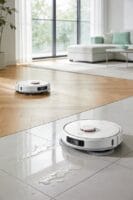
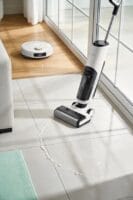
Moisture and bacteria are the real culprits behind traditional vacuum odors. They colonize wet debris over time, especially when that debris sits in your dustbin for days waiting for your next emptying cycle. It’s not pretty, but it’s the reality of how these machines work.
This is where self-emptying vacuums actually make a difference. They automatically transfer dust into sealed base stations right away, which means:
- Minimal human contact with the debris
- Less air exposure during the transfer process
- Sealed storage that lasts 30–60 days without opening
- Automated drying cycles that remove excess water immediately
So, why does this matter? Because it stops the cycle. Your traditional vacuum gets emptied multiple times a week, exposing that debris to air and humidity over and over. A self-emptying system isolates everything in a controlled, sealed environment from the moment it’s collected.
Honestly, the difference comes down to moisture control. Mold thrives in damp conditions, but if that water gets removed automatically and everything stays sealed, you’re eliminating the conditions mold needs to grow. Your nose will thank you for that.
Sealed Containers: Your First Line of Defense Against Odor

Sealed Containers: Your First Line of Defense Against Odor
Ever notice how your vacuum starts smelling funky after a few weeks? That’s because most vacuums let dust escape during emptying, which means odor-causing particles end up spreading through your home. A sealed dust collection container fixes that problem by keeping debris locked away where it belongs.
Here’s how it actually works: airtight seals isolate what you’ve collected from the air around it. When your vacuum empties automatically, built-in filters catch dust before it can escape into your living spaces. You’re essentially trapping allergens, bacteria, and all those nasty particles in one contained spot.
So why does this matter? Well, bacteria thrives when it can access moisture and organic matter. Keep those things isolated, and growth slows way down. That’s the real benefit of sealed storage—it’s not just about convenience, it’s about maintaining a healthier home environment.
The best part is you don’t have to empty as often. With maintenance intervals stretching 30–60 days:
- Fewer times you’re opening and handling the container
- Less chance for bacteria to colonize the debris
- Consistent hygiene conditions without constant disruption
Frankly, this is one of those features that seems small until you realize how much it actually impacts your home’s air quality and your peace of mind.
Drying Technology Stops Mold Before It Starts

Drying Technology Stops Mold Before It Starts
Ever notice that musty smell coming from under your robot vacuum’s base station? That’s moisture doing its thing—creating the perfect breeding ground for mold and bacteria. The good news is that automatic drying systems actually prevent this before it becomes a problem.
Here’s what happens: when your vacuum mops, water gets tracked into the base station. Without a way to dry it out, that moisture sits there and invites mold and bacterial growth. Your base station’s hot air drying cycles kick in after each cleaning, removing excess water and using controlled temperature to keep everything dry.
So why does this matter? Because pathogens need wet surfaces to thrive. Once those automated drying cycles activate between emptying cycles, they pull out residual moisture before any mold can take hold. The warm air circulation keeps your storage area consistently dry, which directly stops bacteria from multiplying.
Unlike older models that need you to manually wipe things down, your sealed base station handles moisture management on its own. You don’t have to remember to do anything—it just works. The result? No more foul odors or visible mold buildup, and your storage stays hygienic for weeks without extra effort on your part.
The best part is that this continuous approach beats the traditional cleanup hassle. You get a cleaner base station without lifting a finger between cycles.
Does your current setup leave you dealing with odors or visible growth?
Water Management: Keeping Debris Away From Clean Water

Water Management: Keeping Debris Away From Clean Water
Ever noticed how your robot vacuum’s water tank gets gross pretty quickly? That’s because dirty water and clean water are mixing together, and it’s honestly kind of nasty.
The smart robot vacuums separate dirty water from clean water using dedicated tanks. Used water gets pumped into its own container instead of sitting around with your fresh supply. This matters because when contaminated water touches clean water, it creates the perfect environment for bacteria and mold to grow. You’re essentially protecting your cleaning solution from turning into a petri dish.
Here’s the trick: overflow protection sensors stop water from piling up in your base station. Why does this matter? Standing water is like an invitation for bacterial colonies to set up shop. If your base station’s drainage fails, that stagnant water becomes a breeding ground for problems you definitely don’t want near your floors.
The best part is that auto-refill keeps fresh water available during longer cleaning sessions. You don’t have to babysit your vacuum or worry about it running out mid-job. This feature also prevents water from sitting unused, which cuts down on that gross stagnant water smell.
Frankly, proper water separation means your floors actually get a sanitary cleaning. Without it, you’re spreading contaminated moisture around—the kind that leads to mold growth on your hardwood or tile.
Advanced Filters Stop Allergens at the Source

Advanced Filters Stop Allergens at the Source
Ever notice how your vacuum seems to work great, but then your allergies flare up an hour later? That’s because particles are escaping from your base station and settling right back onto your floors. It defeats the whole purpose of cleaning in the first place.
A good filter system stops this problem before it starts. The filters in quality base stations capture 99.9% of pollen and pet dander, which means those respiratory irritants don’t make it back into your breathing space. SGS-certified filters go beyond what most models offer—their antibacterial rates are legitimately higher than what you’ll find elsewhere.
Here’s the trick: automatic filter replacement happens every time you swap out the dust bag. This prevents bacteria from building up over time, which is something people don’t always think about. The longer a filter sits with collected debris, the more nasty stuff accumulates.
Odor-blocking activated charcoal lining is another detail that matters more than you’d expect. It neutralizes smells before they escape into your living spaces. So why does this matter? Because collected debris staying contained means your home actually stays fresher, not just cleaner-looking.
Truth is, this multi-layer approach protects two things at once: your respiratory health and your cleaning results. Dust and allergens stay trapped where they belong, and your air quality stays consistent throughout your home. That’s the real win here.
Sensors Alert You Before Problems Start
Keeping your base station performing at peak efficiency means knowing when conditions shift before they become problematic. Smart detection sensors continuously monitor moisture levels inside your dust storage container, alerting you when humidity approaches thresholds where mold typically develops. These sensor alerts track environmental conditions in real-time, comparing collected moisture against established safety benchmarks. Your vacuum sends notifications directly to your smartphone when moisture accumulation reaches critical points, preventing bacterial colonization before it starts. Moisture monitoring systems measure humidity percentages and water volume, giving you precise data about your base station’s internal conditions. This proactive approach eliminates guesswork, allowing you to address potential odor development before unpleasant smells reach your living spaces. Early detection prevents costly repairs and maintains consistent home hygiene throughout extended storage periods.
—
What’s really happening inside that dust bin?
Frankly, most people don’t think about what’s going on in their vacuum’s storage container once the lid closes. But moisture builds up fast—especially if you’re vacuuming after cleaning floors or dealing with humidity in your home. That’s where sensors come in handy.
How the monitoring actually works
Your vacuum watches for moisture 24/7 without you lifting a finger. When humidity creeps toward levels where mold loves to grow, you get a notification on your phone. No waiting for problems to show up. No weird smells to discover the hard way.
The system gives you real numbers too:
- Exact humidity percentages
- Water volume measurements
- Consistent tracking over time
Why catching this early matters
So why does this matter? Because mold and bacteria don’t give you much warning. They start growing quietly, and by the time you notice a smell, they’re already colonized. Stopping them before they start saves you from expensive repairs and keeps your home healthier.
Honestly, it’s the difference between spending five minutes emptying a bin versus dealing with deep cleaning or replacement parts down the road.
You’re not guessing anymore—you’re actually informed about what’s happening in there.
Frequently Asked Questions
How Often Do I Need to Empty the Dust Bag in a Self-Emptying Base Station?
You’ll typically need to empty the dust bag every 30–60 days, depending on your home’s size and foot traffic. This extended frequency recommendation makes maintenance easier. I’d suggest checking your model’s guidelines for specific maintenance tips tailored to your cleaning habits.
Can the Automatic Drying System Handle Large Amounts of Water From Wet Cleaning?
Like Prometheus bringing fire, I’ll tell you: yes, the automatic drying system efficiently handles substantial water amounts. The technology removes excess moisture through warm air circulation, while overflow protection sensors monitor water capacity to prevent bacterial breeding grounds from forming.
What Happens if the Base Station Loses Power During an Automatic Emptying Cycle?
If you experience a power interruption during an automatic cycle, your base station’s emptying process will halt immediately. Most models safely pause the automatic cycle and resume once power returns, protecting your debris storage from exposure.
Are the Antibacterial Dust Bags Safe for Households With Pets and Children?
Yes, I’d confidently say they’re safe. While antibacterial effectiveness keeps your home cleaner, pet safety remains paramount—these bags contain no harmful chemicals. They’re designed to inhibit microbial growth without compromising your family’s or pets’ wellbeing.
How Long Can Dust Safely Remain Stored in the Sealed Container Before Disposal?
I’d recommend emptying your sealed dust container every 30–60 days to prevent harmful microbial growth. Most models safely store dust for up to 90 days, but I’ve found that shorter intervals enhance your dust container lifespan and maintain ideal hygiene conditions.


