As an Amazon Associate, we earn from qualifying purchases. Some links on this site are affiliate links at no extra cost to you. Our recommendations are based on thorough research and editorial judgment.


The Engineering Behind Specialized Cleaners for Delicate Vintage Rugs

Specialized vintage rug cleaners use pH-neutral formulations between 6.5 and 7.5 that preserve fiber balance and protect hand-applied vegetable dyes from irreversible fading. Unlike harsh household detergents, these engineered solutions employ non-enzymatic surfactants that lift dirt without breaking down delicate aged fibers. They’re calibrated for cool water use—60-75°F—to prevent shrinkage and dye bleeding. You’ll find wool-safe, non-enzymatic formulas designed specifically for antique textiles. Testing on hidden corners identifies color stability before full application. Understanding these technical distinctions prevents permanent damage that weakens structural integrity.
Key Takeaways
- pH-neutral formulations (6.5-7.5) maintain fiber balance and prevent fading while protecting hand-applied, vegetable-based dyes from damage.
- Non-enzymatic surfactant-based cleaners safely lift dirt without chemically breaking down delicate antique fibers over time.
- Water-based solutions require precise dilution and cool temperatures (60-75°F) to minimize shrinkage and dye bleeding risks.
- Fiber-specific detergents are engineered for wool or silk; gentle formulas preserve protective oils and fiber integrity.
- Low-suction vacuum technology removes dirt without oversaturation, preventing mold, weakened fibers, and irreversible damage to vintage textiles.
What Damages Vintage Rugs (And How to Prevent It)
What Damages Vintage Rugs (And How to Prevent It)
Got a beautiful vintage rug that’s been in your family for years? Then you already know how precious these things are—and how scary it is to think about accidentally ruining them. The truth is, vintage rugs are made from fibers that are literally decades old, which means they’re fragile in ways modern rugs just aren’t.
You may be interested


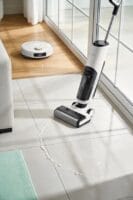
The biggest culprit? Over-cleaning. You’d think keeping your rug pristine would help, but washing it too often actually breaks down those aged fibers. I’ve found that most people don’t realize how much damage they’re doing until it’s too late.
Hot water is another major problem. Antique materials can shrink, and the dyes can bleed everywhere—and I mean *everywhere*. Steam cleaning and harsh chemical cleaners are even worse because they aggressively work their way into the fibers and leave residue behind that weakens them over time.
Then there’s the rubbing issue. When you scrub at a spot, you’re actually pushing the dirt deeper into the pile instead of lifting it out. Add in those powerful carpet cleaning machines with their intense suction, and you’ve basically got a recipe for disaster. Oversaturation from too much moisture can lead to mold and weakened fibers that won’t recover.
So, why does this matter? Because once these fibers break down, there’s no fixing it. Your rug loses its character, its durability, and honestly, its value.
Here’s what actually works:
- Clean only when you really need to, not on a schedule
- Blot gently instead of scrubbing or rubbing
- Always test any cleaner on a hidden corner first
- Stick with low-suction vacuums that don’t have brush settings
- Use only natural, pH-neutral cleaners made for antique textiles
The best part is, following these steps takes almost no extra effort—it’s just about being intentional instead of rushing through cleaning day. Your vintage rug will thank you by staying beautiful for another generation.
Understanding Cleaner Types for Your Rug’s Fibers
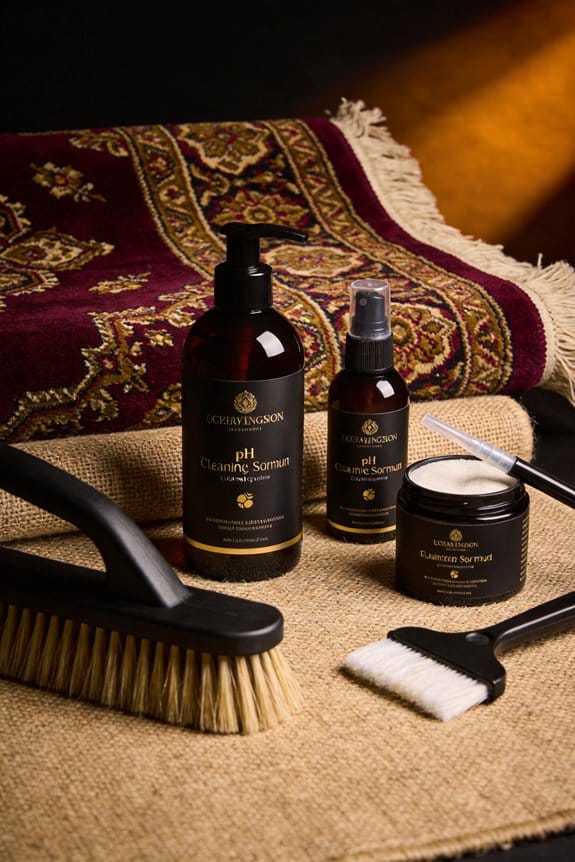
Got an old rug sitting in your living room that you’re terrified to clean? Yeah, you’re right to be careful. Vintage rugs with natural fibers like wool, silk, and cotton are basically time capsules—one wrong cleaner and you could damage something that’s been holding up for decades.
The trick is matching your cleaner to what your rug’s actually made of. It sounds simple, but it makes all the difference between a rug that looks refreshed and one that falls apart.
Wool rugs are your most forgiving option. You can use a mild detergent solution as long as you follow the dilution ratios on the label. In my experience, these rugs need cleaning roughly every 12 to 18 months depending on foot traffic. They’re hardy, but they’re not invincible—don’t skip the dilution step.
Silk is where you have to pump the brakes. These fibers are delicate and honestly, they demand respect. Use pH-neutral dishwashing liquid only, and space out your cleanings to once every two years. Why the caution? Silk degrades fast if you expose it to harsh chemicals or overly frequent moisture.
Cotton pieces? They sit somewhere in the middle. They handle standard wool-safe detergents pretty well and don’t need as much hand-holding as silk, though you’ll want to stick to moderate cleaning intervals.
Here’s the trick that saves rugs: always test your cleaning solution on a corner nobody sees first. This catches color bleeding and fiber damage before it happens to the whole rug. It takes five minutes and prevents disaster.
The bottom line is this—know your fiber, pick the right cleaner, and your vintage investment stays beautiful for years to come. What type of rug are you working with?
pH-Neutral Cleaners and Dye Protection

pH-Neutral Cleaners and Dye Protection
So your vintage rug‘s colors are starting to fade, and you’re not sure if it’s just age or if you’re using the wrong cleaner. The truth is, most standard cleaners are way too harsh—they’re actually working against you.
pH-neutral cleaners sit right in that sweet spot between 6.5 and 7.5, which matches what your rug’s fibers naturally want. Think of it this way: your rug’s fibers have been living in balance for decades (or maybe centuries). When you throw something too acidic or alkaline at them, you’re disrupting that balance. Stick with neutral, and you’re basically saying, “I respect what you are.”
The best part is, this approach works across the board. Wool, silk, cotton—doesn’t matter. Even those hand-applied, vegetable-based dyes from way back respond well to a balanced solution. You’re not fighting the rug’s chemistry; you’re working with it.
Before you go all-in on a new cleaner, test it on a hidden corner first. Honestly, this step takes five minutes and could save you from permanent color shifts. You’re just checking whether the dyes stay put or start bleeding.
Here’s why this matters: standard detergents typically hang around 8 to 10 on the pH scale. That’s alkaline territory, and it’s rough on antique dyes. Over time, that kind of chemical environment can lock in fading that you can’t reverse. A pH-neutral formula removes dirt and grime without that risk—you get a clean rug *and* your colors stay true.
The lesson here is simple. Gentle chemistry beats aggressive scrubbing every single time. Are you ready to treat your vintage rug like the heirloom it actually is?
Gentle vs. Harsh Detergents: Why It Matters

Gentle vs. Harsh Detergents: Why It Matters
So you’ve got a vintage rug you actually care about, and you’re wondering what cleaner won’t trash it. The honest truth? The detergent you pick makes all the difference between a rug that stays beautiful and one that looks faded and worn out way too soon.
pH-neutral detergents (those sitting between 6.5 and 7.5 on the scale) are your friends. They clean without messing with the fibers or stripping the natural dyes that make your rug special. Harsh, alkaline detergents—anything over pH 8.0—do the opposite. They strip away protective oils, weaken fibers, and basically fast-track color bleeding in old textiles.
Here’s what I’ve noticed in my experience: gentle options like mild laundry soap or wool-safe formulas lift dirt right off without being aggressive about it. The cheap, harsh cleaners? They dig too deep and cause chemical damage that you can’t undo. Why does this matter so much? Because once those dyes start bleeding or those fibers break down, there’s no going back.
Try this: before you go all-in on any cleaner, test it on a corner nobody sees. Let it dry completely. This simple step tells you whether the colors will hold or bleed.
The bottom line is that taking five minutes to pick the right detergent and test it first saves your rug from permanent damage. Ready to give your vintage piece the care it deserves?
Enzymatic or Non-Enzymatic: Which Protects Antiques?
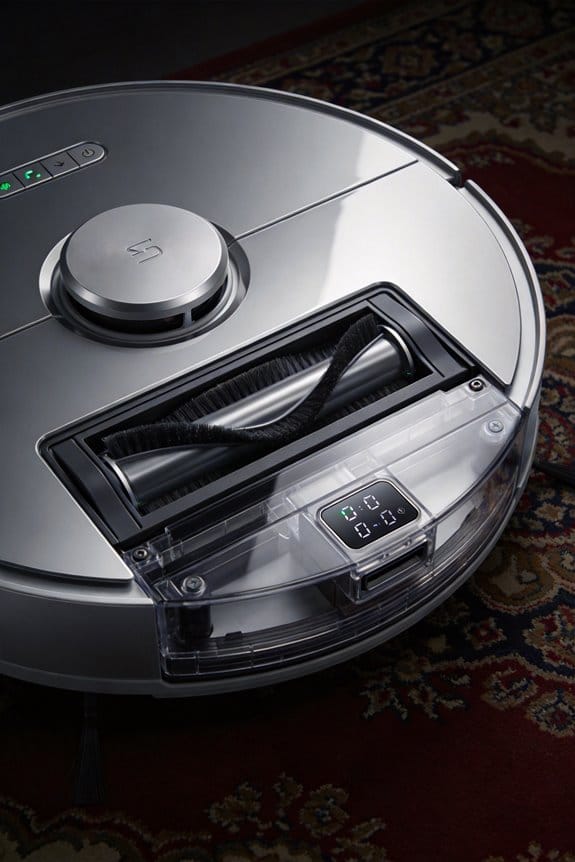
So you’ve picked out a pH-neutral detergent for your vintage rug—great first step. Now comes the decision that’ll actually make or break your cleaning: enzymatic or non-enzymatic?
Here’s where it gets tricky. Enzymatic cleaners sound helpful because they use proteins to eat away at organic mess—think food stains, pet accidents, sweat marks. But here’s the thing: those same enzymes that gobble up dirt? They’ll chew through delicate antique fibers too. Over time, you’re looking at weakened wool, brittle silk, and faded natural dyes. Not worth it.
Non-enzymatic cleaners work differently. They use surfactants instead—basically fancy soap that lifts dirt off without breaking it down chemically. For vintage rugs, this is honestly the smarter move. Your antique pieces stay intact because nothing’s actively dissolving the fibers or attacking the dyes.
The best approach is straightforward:
- Hunt for non-enzymatic formulas labeled specifically for wool or delicate textiles
- Steer clear of enzyme-based products, no matter what the label promises
- Test your cleaner on a hidden corner first
Before you jump into full cleaning mode, wait for that test spot to dry completely. Check for color bleeding or any fiber damage. Once you’ve confirmed it’s safe, you can move forward with confidence.
What’s holding you back from giving your rug the care it deserves?
Why Low-Suction Vacuuming Matters
Why Low-Suction Vacuuming Matters
Pulling out your regular vacuum for a vintage rug? Stop right there. Standard household vacuums are built to wrestle with carpet and tile, which means they’re way too aggressive for anything delicate. The suction is so strong that it can actually damage antique fibers in ways you won’t notice until the harm is already done.
Here’s what’s really going on: most standard vacuums pull at 90-100 inches of water lift—that’s basically overkill for fragile textiles. Low-suction models sit in the 40-60 inch range instead, which puts a lot less stress on vulnerable yarns. Plus, when you skip the brush roll and use brushless settings, you avoid the mechanical wear that weakens old fibers over time.
So why does this matter so much? Because vintage rugs are often irreplaceable. Once those fibers break down, you can’t just fix it.
When you’re ready to clean, try this:
- Use your vacuum’s lowest setting—most machines have one, even if you’ve never touched it
- Look for a “delicate” or “wool” mode if your vacuum has it
- Lay nylon screening over really fragile spots for an extra shield during cleaning
The best part is you’re not sacrificing cleaning power. You’ll still pull up surface dust and loose particles just fine. You’re just being smarter about how you do it.
Think of it this way: taking an extra 30 seconds to adjust your settings now keeps your rug in good shape for decades. Worth it?
Solvent or Water-Based: Which Is Safest?
How do you choose between two cleaning approaches that both work, but carry different risks?
Honestly, solvent safety trips up a lot of people. Dry cleaning solvents cut through oils and stubborn stains without soaking your fabrics, which sounds great until you’re dealing with fumes in your laundry room. You’ll need serious ventilation and gloves every single time—inhalation and skin contact are real concerns here.
Water-based cleaning? It’s trickier than it sounds. The dilution ratio matters, and so does knowing your fabric. Cool water mixed with wool-safe detergent keeps shrinkage at bay while gently lifting dirt out of fibers. But here’s the thing that catches people off guard: vintage dyes can bleed without warning. Always test on a hidden corner first.
So, why does this matter? Because one wrong move can ruin a piece you love. For most vintage clothing, I’ve found water-based methods work better anyway. They’re kinder to delicate fabrics and won’t make you worry about chemical exposure.
Try this approach: stick with diluted mild detergent and cool water for your everyday vintage pieces. Save the solvents for grease stains or oil marks—and when you do use them, make sure you’ve got a window open and proper gloves on.
Think about what you’re actually comfortable with in your home. What feels safer and easier for you to manage?
Why Temperature Matters: Preventing Shrinkage
Why Temperature Matters: Preventing Shrinkage
Ever pulled a wool sweater out of the dryer and watched it shrink down to doll-size? That’s basically what happens to vintage rugs when you use hot water. Hot water makes wool fibers contract—we’re talking up to 25% shrinkage if the temperature climbs above 100°F. Once that happens, there’s no going back.
So here’s the thing: temperature control is where most vintage rug owners accidentally wreck their pieces. You think you’re helping, but you’re actually causing permanent damage.
The right temperature makes all the difference. Cool water between 60-75°F is your sweet spot. It cleans effectively without stressing the fibers. Before you commit to a full cleaning, always test your solution on a hidden corner first. Let it dry completely before moving forward.
Why does this matter? Antique fibers don’t stretch like modern fabrics do. They’ve lost elasticity over the years, which means they’re way more sensitive to heat shock. Even lukewarm water at 85°F is pushing it—but it’ll still get the job done without risking your rug.
Here’s the trick: keep your water temperature consistent from start to finish. Don’t clean with cool water and then rinse with warmer stuff. Temperature swings between steps create extra shrinkage risk that you don’t need. Stick with cool throughout, and your rug stays stable and intact.
Honestly, this one habit—maintaining consistent cool temperatures—is what separates people who successfully preserve their vintage rugs from people who accidentally destroy them. Does it take a little extra patience? Sure. But isn’t preserving something you love worth it?
Moisture Management: Avoiding Over-Saturation
Moisture Management: Avoiding Over-Saturation
So here’s the real issue: your rug won’t dry properly if it soaks up too much water. That’s when bad things happen—mildew shows up, odors stick around, and those delicate vintage fibers start to break down permanently.
The trick is being stingy with your cleaning solutions. Use a damp cloth or sponge, not a soaking wet one. Think of it this way—if water is dripping off your cleaning tool, you’re using too much. When you keep moisture on the surface instead of letting it soak deep into the fibers, evaporation actually works in your favor instead of trapping dampness where you can’t reach it.
Why does this matter? Because fiber damage isn’t always obvious at first. By the time you notice mildew or smell something off, the structural damage has already started.
Honestly, how often you clean makes a real difference too. Low-traffic areas? Light vacuuming once a month is plenty. High-traffic zones need more attention, but that doesn’t mean wet cleaning every month. Save the deeper cleaning for when you actually see dirt buildup, not on some preset schedule.
After you clean, act fast. Blot up the extra water right away—don’t let it sit. Then roll your rug in clean, dry towels and let it air dry completely in a space with good airflow before you put it back down.
What’s the payoff? A rug that stays fresh, smells clean, and holds together for years to come.
Test Your Cleaner Before Full Application
Test Your Cleaner Before Full Application
Think you can just dump a cleaning solution on your rug and hope for the best? That’s how people end up with permanent stains or ruined fibers. The fix is simple: test first, clean later.
Before you go all-in with any cleaner, you need to see how it actually behaves on your specific rug. Apply a small amount to a corner nobody sees—the back of a closet, under a table, wherever. Wait a full 24 hours and watch what happens. Does the color bleed? Does the fiber feel weaker? Any discoloration creeping in? These signs tell you whether the cleaner plays nice with your rug’s materials and dyes.
Here’s the trick: grab a white cloth and dab the test spot. If dye transfers onto the cloth, you’ve got a problem. You might also want to look at the pile closely (a magnifying glass helps) to spot any damage to the fibers themselves.
Honestly, there’s one more thing worth checking—whether the cleaner actually rinses out completely or leaves behind a grimy mineral residue. That leftover buildup can make your rug look worse than before you started.
Why does this matter? Because some damage can’t be undone. A vintage rug with weakened fibers or permanent discoloration is basically ruined. Taking a day to run this compatibility test? That’s cheap insurance for protecting something you probably care about.
Do this first, and you’ll know exactly what you’re getting into before committing to a full cleaning.
Frequently Asked Questions
How Often Should I Rotate My Vintage Rug to Prevent Uneven Fading and Wear?
I’d recommend rotating your vintage rug every few months for ideal rug maintenance tips and fading prevention techniques. This simple practice guarantees even wear and color distribution, protecting your investment from uneven deterioration and prolonging its beautiful appearance.
What Is the Proper Way to Dry a Wet Vintage Rug Without Causing Warping?
I’d recommend rolling your wet rug in clean towels for moisture absorption, then laying it flat to air dry completely. You’ll want natural drying in a well-ventilated area away from direct sunlight—never hang it wet, as that’ll cause warping and stretching.
Can I Use a Carpet Cleaning Machine on My Delicate Antique Rug Safely?
No, I’d advise against using a carpet cleaning machine on your antique rug. These machines’ excessive suction strength can damage delicate fibers and cause warping. For antique rug care, I recommend gentle hand-cleaning methods instead to preserve your treasured piece safely.
How Long Should Baking Soda Sit on My Rug Before Vacuuming for Freshness?
I’d recommend letting baking soda sit for 5-6 hours—studies show this duration absorbs up to 40% more odors. You’ll notice improved rug freshness once you vacuum thoroughly. This simple method keeps your delicate rug naturally fresh without harsh chemicals.
What Ratio of White Vinegar to Water Works Best for Spot Cleaning Stains?
I’d recommend using one part white vinegar to three parts cold water for spot cleaning. The vinegar benefits your stain removal efforts by naturally cutting through grime without harsh chemicals, making it ideal for delicate vintage rugs you’re trying to preserve.


