As an Amazon Associate, we earn from qualifying purchases. Some links on this site are affiliate links at no extra cost to you. Our recommendations are based on thorough research and editorial judgment.


The Privacy Implications of Using Your Vacuum as a Roaming Security Camera

Your vacuum collects detailed home maps using LIDAR and cameras, capturing room layouts, occupancy patterns, and daily routines. Manufacturers upload this data to cloud servers where advertisers and data brokers access it. LiDAR sensors can even reconstruct conversations through wall vibrations without microphones. Security breaches expose floor plans and timestamps, revealing when you’re away—information burglars exploit. Disable cloud storage, use strong passwords, enable two-factor authentication, and evaluate manufacturer encryption standards. Understanding these vulnerabilities helps you reclaim control over your home’s digital footprint.
Key Takeaways
- Robot vacuums map homes using LIDAR and cameras, creating detailed “digital portraits” of daily habits and occupancy patterns.
- Manufacturers upload collected data to cloud servers where advertisers and data brokers may access sensitive home information.
- LiDAR sensors can detect sound vibrations and reconstruct conversations, enabling eavesdropping without traditional microphones.
- Breached vacuum data reveals floor plans and timestamps, creating security risks including burglary and unauthorized access.
- Users should disable cloud storage, limit data sharing, keep vacuums from sensitive areas, and evaluate manufacturer security practices.
How Robot Vacuums Become Surveillance Devices
How Robot Vacuums Become Surveillance Devices
You buy a robot vacuum to save time on chores. What you might not realize is that you’re also inviting a pretty sophisticated data-collection device into your home.
You may be interested

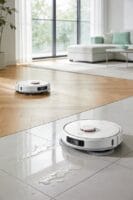
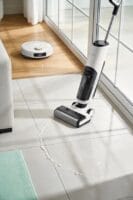
Here’s what’s actually happening: your vacuum isn’t just cleaning. It’s mapping your home layout using LIDAR lasers and cameras, picking up details about who lives there and what your space looks like. Think about that for a second—your vacuum sees your hallways, your bedroom, your living room setup. It’s all being documented.
The data collection goes deeper than you’d expect. These devices log when you run them, how often you use them, even what Wi-Fi networks they connect to. Researchers call these detailed records “digital portraits.” They paint a pretty clear picture of your daily habits and routines. So why does this matter? Because that information has value—and not just to the company that made your vacuum.
Frankly, the biggest concern is what happens next. Many manufacturers upload this data to cloud servers. Once it’s there, third parties can potentially access it. You might never have explicitly agreed to this, but it happens anyway.
The bottom line: you’re letting a roaming device into your most private spaces, and it’s remembering everything. Before you hit buy on that next-generation model, it’s worth asking yourself—what am I comfortable with my vacuum knowing about me?
What Data Your Vacuum Collects (And Why It Matters)

Your vacuum is doing more than just cleaning your floors—it’s collecting data about your home and habits. Here’s what you need to know.
What Your Vacuum Actually Tracks
Your device is logging a lot more than you’d probably guess. It records when you run it, how often you use it, and which rooms get cleaned most. This usage data builds a picture of your daily routine that manufacturers keep on file indefinitely.
Beyond usage patterns, your vacuum is mapping out your home’s layout. Its sensors track spatial information, Wi-Fi network names, signal strength, and device identifiers. So why does this matter? Because that data creates a detailed digital portrait of your living space.
The Camera and Sensor Issue
Many newer models come with cameras for navigation purposes. Those cameras can pick up incidental household images—your furniture arrangement, what’s on your shelves, maybe even people moving around. Sensors add another layer, collecting spatial information that builds out an even more complete picture of your environment.
Where Your Data Actually Goes
Frankly, the biggest concern is cloud storage. Manufacturers and potentially third parties can access this information through their servers. You’re not just sharing data with the company that made your vacuum—you could be sharing it with partners, advertisers, or whoever has access to those cloud systems.
What You Can Do About It
Try this: check your vacuum’s privacy settings before connecting it to Wi-Fi. Some models let you limit what data gets collected or uploaded. Read the privacy policy (I know, it’s tedious, but it matters). Consider whether you really need the app features, or if a basic model without Wi-Fi would work just as well for your needs.
The bottom line? You can’t ignore what your vacuum knows about your home. What matters most to you when choosing a device—convenience or privacy?
How Cloud Storage Exposes Your Home’s Private Details

How Cloud Storage Exposes Your Home’s Private Details
Your smart vacuum is basically a spy in your living room—and you probably didn’t even realize it. Every time it connects to Wi-Fi, it’s sending way more than just cleaning updates back to the manufacturer’s servers. We’re talking home maps, photos, cleaning schedules, the whole picture of how your house is laid out and when people are moving through it.
Here’s what actually happens with all that data: manufacturers store it in the cloud, and then they share it with third parties through agreements buried in terms of service that nobody reads. Those third parties? Analytics companies, advertisers, data brokers. Your home’s intimate details become sellable information.
Think about what a single cleaning session captures:
- Detailed floor plans showing room layouts
- Obstacle locations and furniture placement
- Patterns of when people are home and moving around
- Timestamps that reveal your daily routines
Why does this matter? Because that information isn’t just sitting safely somewhere. When cloud storage gets breached—and it happens more often than you’d think—all of this data spills out into the open. Suddenly, strangers know exactly how your home is configured, when you’re typically away, and which rooms have valuable items in them. That’s a physical security risk most people never consider when they’re unboxing their new vacuum.
Frankly, the damage doesn’t stop with burglaries. This occupancy data gets sold to marketers who use it to build profiles about your lifestyle. They know when you’re home, what you buy, even rough estimates of your income based on your neighborhood and home size.
What can you do right now? Check your vacuum’s app settings for privacy controls, review what data sharing is turned on, and honestly consider whether you need cloud storage enabled for basic cleaning functions.
The LiDAR Hack That Lets Attackers Hear Your Conversations

The LiDAR Hack That Lets Attackers Hear Your Conversations
Did you know your robot vacuum could be listening to your private conversations? I didn’t either until I read about what researchers recently discovered. Turns out, the laser mapping system in your vacuum—the thing that helps it navigate your living room—can actually pick up sound vibrations and reconstruct what you’re saying.
So, why does this matter? Because most of us assume our homes are private spaces, especially inside our own walls. We’re not thinking about our vacuums as potential surveillance tools.
How This Actually Works
The LiDAR sensors in these devices shoot out lasers to map your space. Those lasers bounce off walls, furniture, and objects. But here’s where it gets creepy: when sound travels through your room, it creates tiny vibrations on surfaces. The laser reflections can detect those vibrations and translate them back into audio. Researchers tested this on Ecovacs models and were able to pull conversations out of thin air—no microphone required.
The technology doesn’t need a crystal-clear signal either. It picks up the vibrations caused by human speech hitting walls and objects, then reconstructs what was said with surprising accuracy.
What You Can Actually Do About It
Frankly, this isn’t something most people can fix with a software update. But that doesn’t mean you’re helpless. Try this:
- Keep your vacuum out of rooms where you have sensitive conversations
- Position it away from walls where you normally talk
- Check your device settings to see what data it collects and sends back to the manufacturer
The best part is that awareness itself is your first defense. Once you know your vacuum’s mapping lasers create a potential security gap, you can make smarter choices about where you use it and what you talk about nearby.
Your home’s security isn’t just about cameras anymore. It’s about understanding every sensor in your space and what it can actually do.
Real Breaches: When Manufacturer Security Actually Failed

Real Breaches: When Manufacturer Security Actually Failed
So here’s what keeps me up at night: you can read all about LiDAR vulnerabilities and potential attack vectors, but those feel abstract until something actually goes wrong. That’s when the real picture emerges.
In 2022, toilet images started showing up online without anyone’s permission. Not theoretical risks—actual photos of people in their bathrooms, shared without consent. Around the same time, researchers proved they could eavesdrop on voice conversations using LiDAR on Ecovacs robot vacuums. The vulnerability wasn’t some lab curiosity. It worked. Images were captured and used for device training, which raises a huge question: if manufacturers can’t keep data private during their own development process, what’s stopping attackers?
Here’s the uncomfortable truth: fancy encryption standards and official certifications don’t actually guarantee your data stays safe. They’re a baseline, not a promise.
What you should actually do about it:
- Dig into your manufacturer’s incident response plan. Do they have one? Can you find it?
- Ask for proof of security assessments beyond the standard certifications they’ll brag about
- Check their track record. Do they publicly admit when they mess up, or do they pretend problems don’t exist?
- Look at their speed. When vulnerabilities get identified, how fast do firmware patches show up?
The brands worth trusting are the ones willing to say “we found a problem, here’s what we did” rather than staying silent. That transparency matters more than any certification badge.
What’s your manufacturer actually hiding?
Which Vacuum Brands Have Better Privacy Protection?
Got a smart vacuum sitting in your living room? Then you’re probably wondering what happens to all that data it’s collecting about your home. Privacy matters, especially when a robot’s rolling through your house every day.
Let me break down what actually matters when you’re comparing vacuum brands on privacy.
The encryption stuff****
DEEBOT models use AES-128 encryption to protect your video feeds, which is solid. They’ve also got TÜV Rheinland certification for their X1 and T10 models—basically a third party checking that they meet ETSI EN 303 645 standards. Honestly, that certification carries real weight because it’s not just the company patting itself on the back.
Every major manufacturer encrypts your usage data and login credentials. But here’s the thing—not all of them do it the same way, and some are way more transparent about it than others.
The Eufy approach
Eufy took a different route that I find refreshing. They offer non-WiFi models, which means your data never touches the cloud at all. If that’s a dealbreaker for you—wanting zero cloud sharing—that’s worth considering. You lose some smart features, but you gain peace of mind.
What to actually check before you buy
- Two-factor authentication (does the brand offer it?)
- Automatic security updates (do they happen without you fighting with your phone?)
- Data sales opt-out (can you actually say no?)
Try this: Look for brands that give you login notifications, let you request data erasure, and publish a clear privacy policy you can actually read without a law degree.
Why does this matter? Because the brand that cuts corners on security today might be the one that gets hacked tomorrow, and your home layout is suddenly public.
Frankly, stick with manufacturers that get third-party security validation instead of ones that just claim they’re safe. Your peace of mind is worth the research.
5 Privacy Settings and Setup Tricks to Secure Your Vacuum
Once you pick a vacuum with solid encryption and third-party security certification, it’s time to actually lock down those privacy settings. Honestly, most people skip this step and regret it later.
Start by disabling cloud storage if your model allows it. Your home maps shouldn’t be sitting on some manufacturer’s server—that’s just asking for trouble. Go into the app and find those data-sharing toggles. Turn them all off. This stops your cleaning schedules, usage patterns, and frequency data from getting collected or handed off to third parties.
Why does this matter? Because that information is valuable, and companies know it.
Firmware updates might seem annoying, but they’re your best defense. When you get that notification, install it right away. These patches close security gaps that hackers actively exploit—including some seriously creepy LiDAR eavesdropping tricks that were actually demonstrated on Ecovacs models. Frankly, ignoring updates is a security mistake you don’t want to make.
Two-factor authentication adds another layer of protection. Enable it wherever it’s available. Then create a strong password: mix uppercase letters, numbers, and symbols together. Avoid anything obvious.
Here’s the trick that most people forget—request a data erasure from the company’s servers at least once a year. Information piles up over time, and you don’t need years of cleaning history floating around in their database.
Taking these steps takes maybe 30 minutes total, but it makes a real difference in how much control you actually have over your own home data. Ready to lock things down?
Frequently Asked Questions
Can I Use My Robot Vacuum Offline Without Connecting It to Wifi or Apps?
Yes, you can operate certain models offline. I’d recommend non-WiFi options like Eufy for maximum offline functionality and eliminating privacy concerns entirely. However, you’ll lose app features and cloud mapping capabilities while gaining complete data protection.
What Legal Recourse Do I Have if My Vacuum Data Is Breached or Misused?
If your vacuum’s data gets breached, you’ve got legal protections under privacy laws like GDPR and CCPA. I’d recommend documenting the breach, contacting your manufacturer, and consulting a lawyer about data breach consequences and potential compensation claims available to you.
How Often Should I Physically Inspect My Vacuum for Hidden Cameras or Microphones?
I’d recommend monthly inspections using camera detection techniques and visual microphone inspection tips. You’ll spot suspicious components by examining your vacuum’s exterior seams and internal compartments closely. However, manufacturers rarely add unauthorized devices—focus instead on firmware updates and trusted brands for genuine peace of mind.
Are Older Robot Vacuum Models More or Less Vulnerable to Hacking Than Newer Ones?
I’d say older models face greater hacking risks because they lack the advanced security features newer vacuums offer. Newer models typically include encryption, two-factor authentication, and automatic updates that better protect against unauthorized access and exploitation.
Which Countries Have Privacy Regulations Specifically Protecting Robot Vacuum User Data?
I’ll share what’s out there regarding this “digital housekeeping” matter. Europe leads with GDPR requiring user consent and robust data protection standards. The U.S. lacks specific vacuum regulations, though some state laws apply. Most countries haven’t enacted targeted privacy legislation for robotic cleaners yet.


