As an Amazon Associate, we earn from qualifying purchases. Some links on this site are affiliate links at no extra cost to you. Our recommendations are based on thorough research and editorial judgment.


The Psychology of “Cleaning Up for the Robot Vacuum”

You tidy before robot vacuum runs because obstacles like socks and toys stop performance, requiring floors clear for effectiveness. Robot owners tidy 40-60% more frequently than before adoption, shifting from reactive cleaning to preventative maintenance. Initial motivation peaks within four weeks, then declines markedly after eight weeks as novelty fades. Your household dynamics change, with younger family members typically assuming more responsibility for floor maintenance. Even reduced pre-cleaning efforts maintain cleaner floors, establishing sustainable routines that balance practical living standards with genuine obstacle prevention—understanding these behavioral patterns reveals deeper insights into your cleaning automation habits.
Key Takeaways
- Robot vacuum owners tidy 40-60% more frequently than before ownership, creating automatic tidying habits without conscious effort.
- The vacuum transitions from appliance to household member within four weeks, generating emotional attachment and endearing quirks.
- Younger family members and tech-savvy individuals assume greater responsibility for maintaining clear floors than older household members.
- Initial pre-cleaning motivation peaks at four weeks then declines significantly by eight weeks as novelty diminishes.
- Sustainable cleaning habits develop naturally as users realize effective cleaning requires only clear paths, not obsessive tidiness.
Why Do We Tidy Before the Robot Vacuum Runs?

Why Do We Tidy Before the Robot Vacuum Runs?
Ever notice how you spend 20 minutes picking up before turning on your robot vacuum? It feels backwards, right? The whole point of getting a robot vacuum is to do less work, not more. But here’s what’s really going on.
You may be interested


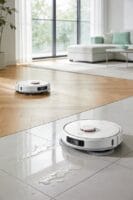
Robot vacuums need clear floors to work properly. They can’t think around obstacles the way you do. A sock, a toy, or a stack of mail becomes a roadblock that either stops the machine or sends it in circles. When you clear the path first, you’re not really doing extra cleaning—you’re setting the robot up to actually do its job.
The Real Reason Your Tidying Habits Changed
Studies show that people with robot vacuums end up tidying 40-60% more often. That’s a significant shift, and it’s worth understanding why. Frankly, it’s not because you suddenly love cleaning more. It’s because you’ve rewired your routine around the robot’s needs.
Think about it this way:
- The robot needs a clear floor to move freely
- You anticipate that need and tidy ahead of time
- This becomes automatic, so clutter stays down between runs
- Your home stays cleaner overall as a side effect
So, why does this matter? Because you’re not fighting against your robot—you’re adapting to it in a way that actually works.
How Your Brain Adjusts to Robot Ownership
Here’s the trick: your tidying before the vacuum isn’t a chore that got bigger. It’s a behavior that got *smarter*. Instead of waiting until the floor is visibly dirty, you’re preventing messes before they pile up. That’s genuinely different from regular cleaning habits.
The best part is that this shift happens naturally. You don’t need willpower. You just start moving things off the floor out of habit, and suddenly your space feels less cluttered all the time. Your home adapts to the robot, and you adapt right along with it.
What habits have you noticed changing since getting a robot vacuum?
How Autonomous Cleaning Triggers More Human Work

How Autonomous Cleaning Triggers More Human Work
So you buy a robot vacuum thinking you’re about to reclaim your weekends. Seems logical, right? But here’s what actually happens in most homes: you end up doing more cleaning, not less.
The robot doesn’t work magic. Before each cycle, you’re on your hands and knees clearing the floor of anything that might jam it up—toys, socks, charging cables. It’s exhausting. What used to be a quick weekly sweep now turns into constant tidying, just to keep the path clear for your machine to do its job.
Frankly, the robot creates a psychological shift in how your household approaches cleaning. Younger family members start cleaning more often because they know the robot’s running. Older folks? They move away from scheduled cleaning days and instead jump in whenever they notice something out of place. Everyone’s touching up the space more frequently.
Here’s the thing nobody mentions: the workload doesn’t disappear. It just changes shape.
Try this: track what you’re actually doing. You’ll probably notice you’re sweeping before the robot runs, moving items off the floor multiple times a week, and picking up after the robot itself sometimes. The prep work needed for “ideal robot performance” eats up the time you thought you’d save. Honestly, it’s worth asking yourself whether that convenience is really worth the ongoing effort you’re putting in.
The real takeaway? An autonomous cleaning tool shifts your labor around rather than eliminating it. Before you invest, consider whether constant light tidying beats your old routine—or if you’d rather just stick with traditional cleaning on your schedule.
Which Family Members Clean More After Robot Adoption?

Which Family Members Clean More After Robot Adoption?
So you’ve brought a robot vacuum home, and suddenly your household’s cleaning routine shifts. But it doesn’t shift evenly. You’ll probably notice that younger family members—especially those under forty—end up doing more cleaning after the robot arrives, not less.
Here’s what actually happens: Men and younger people in your household tend to pick up extra cleaning duties compared to what they did before. It’s not because they suddenly love tidying. It’s more that they’re comfortable with the technology and feel responsible for keeping spaces clear so the robot can do its job.
Older women, though? They often move away from their scheduled cleaning routines. Instead of blocking out Tuesday morning for the living room, they’ll tidy up whenever the robot is running or about to run. It’s more reactive than planned. The robot’s presence becomes a trigger for quick touch-ups rather than dedicated cleaning time.
Why does this matter? Because understanding who’s actually doing the work helps you set realistic expectations for your household. Your family’s age mix directly shapes who’ll end up managing floor prep and clutter control. A household with mostly young adults will see different patterns than one with older members.
Here’s the trick: Tech-savvy families experience bigger behavior changes, whether they were excited about the robot or skeptical at first. The robot creates a new cleaning hierarchy—and younger, digitally comfortable members almost always end up taking on more responsibility for maintaining a clutter-free space.
The best part is that recognizing these shifts lets you plan ahead. You’ll know which family members might need a gentle reminder about clearing the floor, and which ones might actually surprise you by stepping up without being asked. Think about your own household—do you see these patterns already showing up in your home?
How Long Does the Pre-Cleaning Motivation Last?

How Long Does the Pre-Cleaning Motivation Last?
So you got a robot vacuum, and suddenly you’re vacuuming before the vacuum vacuums. Sound familiar? Well, that burst of energy doesn’t stick around forever.
When you first bring a robot home, you’re all in. Those first four weeks? You’re sweeping, moving toys, clearing cords like your life depends on it. But here’s the thing—that motivation peaks right at the beginning, then it starts sliding. By month two or three, you’ll notice you’re doing a lot less prep work. Research backs this up: the motivation to pre-clean drops fastest between weeks eight and twenty.
Why does this happen? Honestly, it’s just how our brains work. The novelty wears off. That feeling of watching your robot do its job perfectly stops being exciting, and suddenly you’re back to your normal routine—minus a few tidying steps, actually.
Here’s what typically happens:
- Weeks 1-4: You’re meticulous. Everything gets picked up before the robot runs.
- Weeks 5-8: You’re still pretty careful, but you skip a few things here and there.
- After 8 weeks: You settle into doing minimal prep. The robot just works around your stuff.
Frankly, this isn’t a bad thing. It just means you’ve moved from “excited new owner” to “person who actually uses this tool.” You stop treating the robot like a special event and start treating it like what it is—a helper that fits into your life.
The best part? You’re still getting cleaner floors than before, even if you’re not doing all that extra prep anymore. So don’t stress if your pre-cleaning routine gets shorter over time. That’s just you adjusting to what actually works for your household.
What does your pre-cleaning routine look like now—are you still obsessing over every detail, or have you found a rhythm that works?
Do You Eventually Stop Tidying for the Robot?

Do You Eventually Stop Tidying for the Robot?
Ever find yourself obsessively clearing your floors before the robot vacuum arrives? Yeah, most people do—at first. But here’s what actually happens: that intense pre-cleaning routine doesn’t stick around forever.
After about four to eight weeks of owning a robot vacuum, your habits shift. You’re not abandoning tidiness completely, but you’re ditching the obsessive daily prep work. Instead, you settle into what actually works: clearing pathways, moving obstacles, and removing the stuff your vacuum legitimately can’t handle. Everything else? That aspirational deep organization stays in your head, not on your to-do list.
Why does this matter? Because sustainable beats perfect every single time. Your robot works fine without a showroom-ready floor. It just needs a clear path and no random toys blocking it. So you stop stress-cleaning and start being realistic about living in an actual home with actual people.
Here’s what the shift looks like:
- Daily pre-cleaning sessions become weekly tidying
- You focus on removing genuine obstacles, not achieving perfection
- Your household routines support both the robot and real life
The best part is—this new routine sticks. Once you hit that four-to-eight-week mark, you’re not suddenly going to feel like vacuuming frantically again. Your behavior becomes practical instead of anxious. You’ve found the balance between keeping things manageable and actually enjoying your cleaner floors without the constant prep work.
Honestly, that’s when the robot vacuum earns its place in your home. Not because it cleans perfectly, but because it lets you stop pretending your house needs to be perfect. What matters to you more—a spotless floor or a few extra hours each week?
When Does the Robot Stop Feeling Like a Tool?
When Does the Robot Stop Feeling Like a Tool?
Ever notice how a new purchase feels totally different after a month of daily use? Your robot vacuum hits that threshold around four weeks. That’s when it stops being just another appliance sitting in your closet and becomes something you actually care about—like a weird household pet that cleans floors.
So, why does this happen? Extended time together changes how you see things. The robot’s quirks become familiar. You notice how it bumps into the same corner every time, or the specific beeping pattern that means it’s done. These little things add up. What started as a cleaning tool becomes something with personality in your mind.
The shift is real. You’ll find yourself:
- Keeping floors clear so it can do its job better
- Defending it when friends joke about it being useless
- Actually looking forward to it running each day
The psychology behind it
Frankly, it comes down to familiarity breeding affection. The more you interact with something, the less foreign it feels. Your brain starts attaching emotional weight to it instead of just thinking about whether it cleans well. You’re not being irrational—this happens with objects all the time.
Your family life changes too. The vacuum becomes part of your routine stories. “Oh, the robot got stuck again” becomes a household joke. You stop treating it like equipment and start treating it like a member of the family (even if you’d never admit that to your friends).
Truth is, this attachment is exactly why people stick with their robots long-term. Once you’ve crossed that four-week mark, you’re not just maintaining tidying habits—you’re maintaining a relationship.
Does knowing this change how you think about your stuff?
Frequently Asked Questions
Can Robotic Vacuums Develop Personalities That Influence Household Member Attachment Levels?
Yes, I’ve found that robot personalities profoundly influence your family attachment levels. Families ascribe distinct emotions and preferences to their vacuums, developing genuine relationships beyond tool use. This anthropomorphism creates intimacy, making the robot feel like a household member rather than just an appliance.
Why Do Pets React Differently to Robotic Vacuums Than Traditional Cleaning Methods?
Your pets react differently because robots trigger novel robotic interaction patterns—they’re unpredictable, moving autonomously unlike static vacuums. Cats find companionship in their presence, while dogs experience fear from unfamiliar pet behavior stimuli. It’s relationship-based, not tool-based.
How Does Robot Tidying Compare to Traditional Cleaning in Actual Dirt Removal Efficiency?
You’ll find that robot vacuums fall short in their dirt removal efficiency compared to manual cleaners—they’re the tortoise versus the hare. My efficiency comparison shows they’re inferior in pragmatic quality, though their autonomy motivates us to maintain cleaner floors preemptively.
What Household Design Features Best Accommodate Robotic Vacuum Navigation and Cleaning Effectiveness?
I’ve found that you’ll get the best results with open floor plans, minimal clutter, and strategic furniture placement. Charging stations need accessible locations, while room zoning and smooth floor materials help navigation technology avoid obstacles effectively.
Do Multiple Robot Units Change Family Dynamics Compared to Single-Unit Households?
Multiple units reshape your robot ownership dynamics considerably. I’ve found they strengthen family cohesion by distributing cleaning responsibility across floors, reducing conflicts over shared duties. Elderly couples particularly benefit, as you’re no longer negotiating single-unit scheduling or competing for cleaning time together.


