As an Amazon Associate, we earn from qualifying purchases. Some links on this site are affiliate links at no extra cost to you. Our recommendations are based on thorough research and editorial judgment.


The Role of HEPA-Filter Smart Cleaners in Managing Seasonal Allergies

HEPA-filter smart cleaners trap 99.97% of airborne particles 0.3 micrometers or smaller, reducing morning allergy symptoms by 26% and evening symptoms by 24%. However, they cannot remove settled dust mites or allergens embedded in carpets and furniture, requiring complementary strategies: weekly hot-water bedding washes, HEPA vacuuming, pet grooming outdoors, and humidity control. You’ll notice improvements within 3-6 weeks when combining these approaches systematically, though understanding placement strategies and room-size matching greatly amplifies their effectiveness.
Key Takeaways
- HEPA filters trap 99.97% of particles 0.3 micrometers or smaller, reducing morning and evening allergy symptoms by approximately 24-26%.
- HEPA cleaners work best when combined with complementary strategies like weekly hot-water bedding washing, regular vacuuming, and humidity control.
- Match the Clean Air Delivery Rate (CADR) to your room size to ensure maximum effectiveness and energy efficiency.
- Strategic placement near beds and high-allergen areas provides early improvements in morning congestion and nighttime allergy symptoms.
- HEPA cleaners cannot remove settled dust mites or allergens in carpets and furniture, requiring regular cleaning practices for complete management.
Why HEPA Filters Stop Seasonal Allergies (and How)
Why HEPA Filters Stop Seasonal Allergies (and How)
Do you wake up sneezing every spring, or find yourself constantly wiping your eyes during allergy season? If pollen, mold spores, and pet dander are making your home feel less like a refuge, a HEPA filter might be exactly what you need.
You may be interested

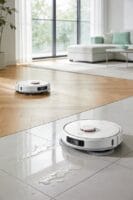
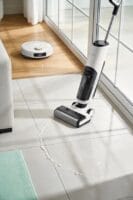
Here’s what’s actually happening: these filters trap 99.97% of particles that measure 0.3 micrometers or smaller. That’s the stuff traditional filters completely miss—the fine pollen and mold spores that irritate your lungs and trigger those miserable morning symptoms.
So, why does this matter? Because the allergens circulating through your home’s air don’t just disappear. They sit in your lungs, aggravate your sinuses, and ruin your sleep. HEPA filters intercept them before that happens.
The capture process is pretty straightforward:
- Air gets forced through dense filter material
- Microscopic particles get blocked mechanically
- Cleaner air flows back into your room
Honestly, the real difference shows up in your daily life. Studies show that homes using certified HEPA filters see morning symptoms drop by 26% and evening symptoms fall by 24%. That’s measurable relief, not just marketing hype.
One thing people don’t always realize: a HEPA filter only works if you actually maintain it. A clogged, dusty filter loses its punch fast. You’ll want to check it regularly and swap it out when it gets visibly dirty.
Think about it—better sleep, fewer tissues needed, and genuinely easier mornings during allergy season. Isn’t that worth the effort?
What Studies Really Prove About HEPA Effectiveness

So you’re thinking about dropping money on a HEPA filter, but you want to know if it’s actually going to work—not what the box says, but what real research actually proves. Fair question.
The clinical data does show real results. Studies found that HEPA filters cut morning allergy symptoms by 26% and evening symptoms by 24%. These filters trap 99.97% of particles at 0.3 micrometers, which means they’re catching pollen, pet dander, and dust mites as they float through the air. That’s solid.
But here’s where things get honest: HEPA filters have real limits. They don’t touch settled dust mites or mold that’s already sitting on your nightstand, furniture, or baseboards. The filter can only clean the air that passes through it—not the allergens that have already landed and are just hanging out in your bedroom.
So, why does this matter? Because a HEPA filter alone is only half the battle. You’ve got to pair it with actual source control:
- Vacuum your carpets regularly (a HEPA vacuum helps too)
- Wash your bedding weekly in hot water
- Groom your pets outside if you can
- Wipe down surfaces where dust settles
Think of it this way: the filter cleans the air you’re breathing right now, but you’re the one removing the allergens waiting to get back into the air tomorrow. Honestly, that combo—filtration plus your effort—is what actually makes a difference.
Does this approach feel doable for your living situation?
What HEPA Filters Cannot Remove (and Why It Matters)

Honestly, if you think your HEPA filter is doing all the heavy lifting against allergens, you’re only getting half the story. These filters are great at what they do—trapping particles floating around in your air. But here’s the thing: they can’t touch allergens that have already settled on your surfaces.
That dust mite colony living in your pillowcase? Your HEPA filter won’t reach it. Pet hair matted into your carpet fibers? Untouched. Mold spores growing in that bathroom corner? Still thriving. Air filtration alone won’t solve these problems because these allergens aren’t floating anymore—they’re stuck in place.
So why does this matter so much? Because settled allergens are actually your home’s biggest allergen source. You could run the best HEPA filter 24/7 and still wake up sneezing if you’re not dealing with what’s on your furniture and floors.
What you actually need to do:
- Vacuum regularly (and yes, use a HEPA-filter vacuum for the debris you collect)
- Wash bedding weekly in hot water
- Control humidity to discourage mold and dust mites
- Wipe down surfaces where dust settles
Research doesn’t show that HEPA filters alone reduce dust mite or mold allergy symptoms—and now you know why. The filter can only work on particles that are airborne. The real allergens are hiding somewhere else.
Combine air filtration with actual cleaning and moisture control, and you’ll finally see a difference in your symptoms. It’s not exciting, but it works.
Picking the Right HEPA Cleaner for Your Home Size

Picking the Right HEPA Cleaner for Your Home Size
Ever bought something that looked perfect online, only to bring it home and realize it’s basically useless? That’s what happens when you pick a HEPA cleaner without checking the size first. Your room dimensions and the cleaner’s Clean Air Delivery Rate—or CADR—have to match, or you’re just wasting money on a fancy paperweight.
The CADR number tells you how fast the unit can actually filter air. It’s the real measurement of whether this thing will make a dent in allergen levels when spring hits and everything starts floating through your windows.
Not all cleaners are created equal. A compact unit works great if you’re just trying to freshen up a bedroom (around 200–300 square feet). But if you’ve got a sprawling living room, you’ll need something with serious power to handle 500+ square feet effectively. So why does matching these specs matter so much? Because an undersized cleaner simply can’t keep up. During peak allergy season, you’ll notice the difference—and not in a good way.
Here’s the trick: pull out your room measurements and compare them directly to what the manufacturer lists. Don’t guess or hope it’ll be “close enough.”
Frankly, buying a machine that’s too big isn’t the answer either. Oversized units drain energy and jack up your electric bill for no real benefit. The goal is finding that sweet spot where the CADR rating lines up with your actual square footage, so you get solid allergen removal without throwing money away on excess power you don’t need.
Take five minutes to do this math right, and you’ll actually feel the difference in air quality.
Why You Need More Than HEPA Filters Alone

You’ve got the right HEPA filter and you’re using it correctly, but your allergies are still acting up. What’s going on?
Truth is, a good filter only tells half the story. HEPA units grab particles floating in the air, sure—but they can’t touch the stuff that’s already settled on your furniture, carpet, and bedding. Dust mites, pet hair, and dander are sitting right there waiting to cause problems, and your cleaner can’t reach them no matter how powerful the filter is.
So what actually works? You need to fight allergens on multiple fronts at once.
Start with your vacuum. A HEPA-equipped vacuum makes a real difference on carpets and rugs where dust mites love to hide. Use it at least weekly, and don’t rush—slower passes pick up more. Bedding is another big one. Wash your sheets, pillowcases, and blankets in hot water every week to kill dust mites. It sounds like a lot, but it genuinely helps.
If you have pets, groom them regularly. Brushing them outside keeps dander from spreading all over your home. Moisture control matters too—keeping humidity levels down prevents mold from growing in the first place. Why does this matter? Because mold spores are another major allergen trigger that filters alone can’t handle.
Frankly, the numbers back this up. Studies show that HEPA cleaners by themselves only cut allergy symptoms by around 26%. Add these other steps into the mix, and you’ll actually see real improvement.
The bottom line: Your filter is important, but it’s just one piece of the puzzle. What daily habits could you realistically add to your routine this week?
When You’ll Actually Feel Relief From Allergies
Wondering how long you’ll actually have to wait before your allergies stop making you miserable? Honestly, most people start noticing real improvements somewhere between three to six weeks—but here’s the catch: it depends entirely on what you’re actually doing about it. Studies show a 26% drop in morning symptoms and 24% in evening symptoms, which gives you a realistic picture instead of false promises.
The consistency thing matters way more than you’d think. If you’re only running a HEPA filter while ignoring the carpet or skipping weekly bedding washes, you’re working with one hand tied behind your back. Combine your efforts—pair your filters with regular vacuuming, wash your sheets weekly, groom your pets, and tackle any mold spots—and you’ll see results faster.
So, why does placement matter so much? A laminar flow HEPA cleaner sitting near your bed actually works harder where it counts most. You’ll probably notice your morning congestion clearing up first, then the sneezing and coughing episodes start dropping off.
Try this: Keep a simple symptom journal and check in weekly. Write down how you’re feeling, what’s better, what’s still rough. You’re tracking progress, not hunting for perfection right away.
The bottom line is that allergies don’t disappear overnight, but they don’t have to control your life either. What’s one change you could start this week that would actually stick?
Frequently Asked Questions
How Often Should I Replace My HEPA Filter for Optimal Allergen Removal Performance?
I’d recommend checking your manufacturer’s guidelines for your specific filter’s lifespan, as replacement schedules vary. Most HEPA filters need replacing every 6-12 months, depending on usage frequency and air quality in your home.
What’s the Difference Between True HEPA, HEPA-Type, and HEPA-Like Filters in Terms of Effectiveness?
I’ll paint you a clear picture: True HEPA filters capture 99.97% of particles, while HEPA-type versions fall short. I’ve found that True HEPA’s superior allergen capture requires consistent filter maintenance, but it’s worth the effort for genuine protection.
Can HEPA Filters Help With Allergens From Specific Pets Like Dogs Versus Cats?
I’ve found that HEPA filters effectively trap both dog and cat allergens, though cat allergens are particularly smaller and easier to capture. However, breed differences matter less than consistent filtration. You’ll see relief in allergy symptoms with regular use alongside proper pet grooming.
How Does Room Size and Air Circulation Affect HEPA Cleaner Effectiveness in My Home?
Your room dimensions directly impact how well my HEPA cleaner works. I need to match the Clean Air Delivery Rate (CADR) to my space size, and I’ve found that proper airflow patterns throughout my room guarantee all allergens get filtered effectively.
Are Hepa-Filtered Smart Cleaners Safe to Use Around Children and Pets Daily?
I’d say yes, HEPA-filtered smart cleaners are safe for daily use around children and pets. They’re designed with safety considerations in mind, featuring smart technology that minimizes pet sensitivity issues. Just guarantee proper ventilation and monitor your child’s health initially.


