As an Amazon Associate, we earn from qualifying purchases. Some links on this site are affiliate links at no extra cost to you. Our recommendations are based on thorough research and editorial judgment.


Water-Plumbed Robot Docks: The Growing Trend of Direct Water Line Integration

Water-plumbed robot docks connect directly to your home’s water supply and drainage, eliminating manual tank refilling that consumes nearly an hour monthly. Unlike tank-based models requiring constant emptying and cleaning, plumbed systems automatically pull fresh water while draining wastewater through existing pipes, minimizing maintenance chores. Your home needs 20-80 PSI water pressure and drain access within 15-20 feet, though professional installation ($150-300) guarantees proper setup. Though upfront costs reach $1,200-1,800, annual savings of $200-400 on consumables justify the investment for convenience-focused households. Understanding whether your plumbing infrastructure supports this upgrade requires specific assessment details ahead.
Key Takeaways
- Plumbed robot docks automatically connect to home water lines, eliminating manual tank refilling and reducing monthly maintenance time by nearly an hour.
- Direct water line integration enables continuous operation without interruptions, while wastewater drains directly through existing plumbing for seamless cleaning cycles.
- Plumbed systems minimize sediment buildup and reduce water waste compared to tank-based models, lowering overall operational costs and environmental impact.
- Installation requires basic plumbing support: 20-80 PSI water pressure, standard half-inch supply lines, and proximity within 15-20 feet of water sources.
- Initial installation costs of $1,200-1,800 are justified by long-term savings, eliminating $200-400 annual consumable expenses and reducing maintenance labor significantly.
Why Manual Water Refilling Wastes Your Time (and How Plumbing Integration Solves It)

Why Manual Water Refilling Wastes Your Time (and How Plumbing Integration Solves It)
You’re spending nearly an hour every month just refilling and emptying water tanks on your robot vacuum. That’s time you could be doing literally anything else—and honestly, it’s the kind of chore that gets old fast.
You may be interested


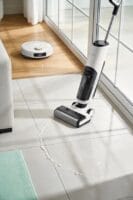
Here’s what happens with traditional models like the X40 Ultra: you’re constantly babysitting the thing. Fill the clean water tank, empty the dirty water tank, rinse it out, repeat. About 30-45 minutes monthly sounds small until you realize you’re doing it multiple times a week. It adds up.
Plumbing-integrated systems work differently. The Dreame X40 Master connects straight to your home’s water lines, pulling fresh water automatically and sending wastewater right back out through your existing pipes. No tanks to lug around. No mess. The vacuum just handles itself.
What This Means for Your Daily Life
So, why does this matter beyond just convenience? Maintenance becomes a non-issue. When your vacuum isn’t storing water in onboard tanks, sediment buildup disappears. Your components last longer. Service calls become rare instead of routine.
The best part is what shifts in how you actually use the thing. You’re no longer managing it constantly—you’re just letting it work. Your robot vacuum becomes something that operates in the background, and you only interact with the dock during scheduled maintenance. That’s the difference between active management and set-it-and-forget-it reliability.
Think about it: wouldn’t you rather check on the dock once a month than refill tanks multiple times a week?
Plumbed vs. Tank-Based Docks: What’s Actually Different

So you’re looking at robot mops and wondering if you really need to hook one up to your plumbing or if a tank-based model will do the job. Let me break down what actually matters here.
With plumbed docks, you’re connecting directly to your home’s water lines. That means no refilling, no emptying, and your mop runs whenever you need it without stopping to top up tanks. The wastewater just drains into your existing plumbing system. It’s genuinely convenient if you’ve got the setup for it.
Tank-based docks work differently. They’ve got separate reservoirs built in—one for clean water, one for dirty water. You fill the clean tank yourself and dump out the used water when you’re done. Why does this matter? Well, it means downtime between cleaning sessions and extra work on your end.
Here’s the honest trade-off:
Plumbed systems eliminate the manual labor entirely. Your mop stays ready to go without interruption. Models like the Dreame X40 Master show how clean this approach is—no water tanks cluttering your setup at all.
Tank-based alternatives like the X40 Ultra give you flexibility without renovating your home. If you’re renting, living in an apartment, or just don’t want to deal with plumbing installation, this works. You’ll handle more maintenance, but you’re not locked into one location.
Frankly, it comes down to your living situation. Can you drill into walls and run new lines? Go plumbed. Need to keep your rental deposit intact? Tank-based is your answer.
Which setup sounds like it’d actually fit your life?
Can Your Home Support a Plumbed Dock?

So you’re thinking about getting a plumbed dock—nice. But before you drop the money on one, you need to figure out if your home’s plumbing can actually handle it. It’s not as complicated as it sounds, but it’s definitely worth checking first.
Your plumbing needs to meet a few basic requirements. You’re looking at water pressure between 20-80 PSI and enough drainage capacity to match what your dock will need. If you’ve got standard half-inch supply lines and you can easily access your drain points, you’re probably in the clear without any major work.
Here’s the thing though—and I say this from watching friends deal with this—older homes often need some upgrades. You might need better piping, stronger connections, or even professional pressure testing to make sure everything works right. Why does this matter? Because a weak system will fail on you when you need it most.
Distance counts too. Try this: measure how far your dock location is from your existing water and drain lines. You want to stay within 15-20 feet if possible. Going beyond that gets expensive fast and adds unnecessary complexity to the job.
Honestly, the smartest move is talking to a licensed plumber before you buy anything. They’ll look at your setup, test your water quality, and tell you straight up what upgrades you actually need—not just what would be nice to have.
Do you know where your main water line and primary drain access point are located? If not, that’s your first stop.
How Plumbing-Integrated Docks Save Time and Money

Once your home’s plumbing can handle a plumbed dock, the money starts adding up fast. You stop manually refilling water tanks, which honestly cuts down on your regular maintenance chores. Water comes straight from your home lines, and wastewater drains automatically—no more lugging tanks around or prepping equipment for hours.
The Dreame X40 Master shows what this looks like in practice. It ditches the water tank entirely, which means fewer steps in your cleaning routine.
Here’s where your wallet benefits: less water waste, lower electric bills (no more powering tank systems), and less stress on your vacuum’s internal parts. The best part is that plumbing-integrated docks can heat mop water to 212°F without you lifting a finger, giving you sanitized floors and cutting down on household work at the same time.
Best Plumbed Robot Docks Right Now

Tired of constantly refilling water tanks in your robot vacuum? Plumbed dock systems might be the answer you’ve been looking for.
When you’re shopping for a plumbed dock, three things really matter: how hot the water gets, whether it can climb over thresholds in your home, and how well it connects to your existing setup. Each of these addresses a different part of keeping your floors clean.
The Dreame X40 Master works differently than most models. Instead of storing water in tanks, it pulls clean water straight from your home’s plumbing and sends dirty water back out the same way. No tanks to empty, no refilling—it just works.
The Dreame Aqua10 takes a different approach. Its Matrix10 PowerDock actually swaps out different mop types automatically and heats water to 212°F for serious sanitizing power. Want to know what that means for you? Basically, it’s the closest thing to having a professional cleaner without paying professional prices.
Threshold climbing is one of those features you don’t think about until you need it. The Aqua10 Ultra Roller can handle rises up to 80mm, while standard models max out at 60mm. So if your kitchen sits even slightly higher than your living room, this matters.
Truth is, the real benefit of plumbed systems comes down to convenience. You’re not hauling water around your house every week. You’re not emptying nasty gray water tanks. The setup handles it automatically, which means less hassle and fewer maintenance headaches over time.
The best part? Long-term costs actually drop. No more buying water, no more cleaning out tanks constantly—it all happens in the background.
Which of these features would make the biggest difference in your daily routine?
Will This Damage Your Plumbing or Void Your Warranty?
Connecting a robot vacuum dock straight to your home’s water line? Yeah, it’s different from the old tank models, and you’ve got to know what you’re getting into before you hook it up.
The Good News on Warranties****
Dreame and most other manufacturers won’t touch your warranty as long as you install things exactly how they say to. Since these docks pull water right from your existing pipes, you’re basically done with tank maintenance headaches. The catch? Installation matters. Do it wrong—bad pressure connections, mismatched fittings—and you could lose coverage fast.
What You Actually Need to Know
Your water pressure has to sit between 20-80 PSI for the system to work safely. Too high or too low, and you’re asking for trouble. So, why does this matter? Because a $300 repair beats losing your warranty coverage any day.
Honestly, get a professional to do the installation. Yeah, it costs $150-300, but here’s the trick: it protects you. You’ll get documentation, proper setup, and peace of mind rolled into one.
Don’t Skip the Paper Trail
Keep those installation receipts and take photos of your connections. I know it sounds tedious, but if something goes wrong later and you need to file a claim, that documentation is your lifeline. Manufacturers want proof you did things right.
Bottom line: a robot vacuum dock connected to your plumbing isn’t risky if you follow the rules and get professional help. Does the extra upfront cost feel worth it to you for worry-free operation?
Should You Invest in a Plumbed Robot Dock?
How much are you actually spending on water tanks and cleaning supplies every year? Truth is, those replacement tanks and solutions add up faster than you’d think—usually around $200–$400 annually if you’re keeping up with your cleaning routine.
A plumbed robot dock cuts that expense out almost entirely. Instead of manually refilling tanks and buying bottles of cleaning solution, the dock connects straight to your home’s water lines. The Dreame X40 Master is a solid example—it pulls clean water automatically and disposes of wastewater the same way. No more trips to the garage to swap out tanks.
Installation runs between $1,200–$1,800, which sounds like a lot upfront. But here’s where it starts making sense: over five years, you’re saving money on consumables while also freeing up your time. You’re not spending hours maintaining the system or constantly buying replacements.
The cleaning itself gets better too. These docks use boiling-water sanitization at 212°F, which means your mop heads actually stay cleaner longer. Fewer bacteria buildup means less wear on the equipment over time. So why does this matter? Because you end up with fewer repairs and a system that lasts.
Honestly, if you’ve got the budget and you’re tired of the maintenance routine, the investment pays for itself. The real question is whether you value your time enough to make it happen.
Frequently Asked Questions
What Water Quality Standards Must Plumbed Docks Meet to Prevent System Contamination?
I’d recommend ensuring your plumbed dock meets local municipal water standards through regular water testing and contamination prevention protocols. While I haven’t found specific standards in my knowledge base, you’ll want to consult your local plumbing codes and manufacturer guidelines.
How Do Plumbed Robot Docks Integrate With Smart Home Iot Ecosystems and Leak Detection?
I’ll integrate intelligent infrastructure into your home automation setup. Smart sensors simultaneously monitor moisture, detect leaks, and sync your plumbed dock’s water flow with IoT systems, enabling real-time alerts and automatic shutoffs that safeguard your home’s plumbing health.
Are Plumbed Docks Compatible With Both Municipal Water Systems and Well Water Supplies?
I’d say most plumbed docks show municipal compatibility, though you’ll find well water adaptability varies by manufacturer. You’ll want to check your model’s specs—some require filtration systems for well water, while others handle municipal supplies directly without extra setup.
What Happens to Plumbed Docks During Water Outages or Emergency Shut-Offs?
When water outages or emergency shut-offs occur, I’d tell you that plumbed docks stop functioning since they rely on direct water line access. You’ll need backup onboard water tanks—like the X40 Ultra offers—to maintain cleaning capability during interruptions.
How Do Plumbing-Integrated Robots Perform in Regions With Hard Water or Mineral Buildup?
Have you considered how mineral deposits affect your plumbed robot’s longevity? I’d recommend installing water softeners to combat hard water impact and mineral buildup solutions. These systems protect your dock’s internal components, ensuring consistent performance and reducing maintenance costs considerably.


