As an Amazon Associate, we earn from qualifying purchases. Some links on this site are affiliate links at no extra cost to you. Our recommendations are based on thorough research and editorial judgment.


Why Your Robot Vacuum’s Floor Plan Is Highly Valuable Consumer Data

Your robot vacuum’s floor plan is valuable because it reveals your household’s wealth, daily routines, and home security vulnerabilities to third parties. Real estate firms, insurance companies, and marketing agencies purchase this spatial data to estimate property values, adjust insurance premiums, and profile consumer behavior. Manufacturers store these maps indefinitely on servers despite privacy claims, while default passwords and encryption gaps expose your data to unauthorized access within minutes. Understanding what happens to your home’s digital blueprint helps you make informed protection decisions.
Key Takeaways
- Robot vacuum floor plans reveal household routines, movement patterns, and cleaning schedules that act as behavioral fingerprints.
- Real estate firms, insurance companies, and marketers purchase spatial data to estimate property values and profile consumer behavior.
- Furniture placement and room dimensions extracted from maps indicate wealth levels, property value, and household structure information.
- Navigation patterns disclose residential schedules, enabling targeted marketing campaigns based on when homes are occupied or vacant.
- Manufacturers profit substantially by selling architectural home details and spatial datasets collected through mapping technology to third parties.
How Robot Vacuums Map Your Home Without Your Knowledge
How Robot Vacuums Map Your Home Without Your Knowledge
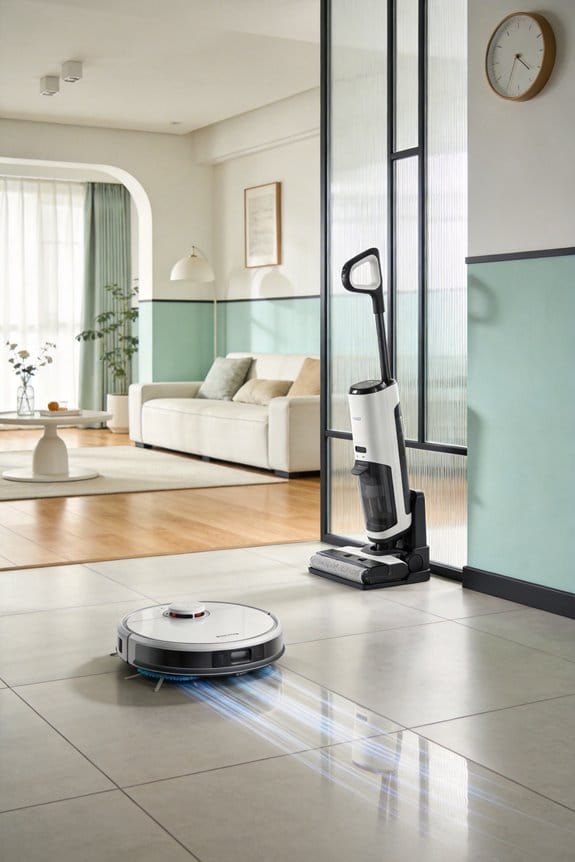
Ever wonder what your robot vacuum is actually doing while it’s cleaning? Turns out, it’s building a detailed digital floor plan of your home—and you probably didn’t even realize it was happening.
You may be interested


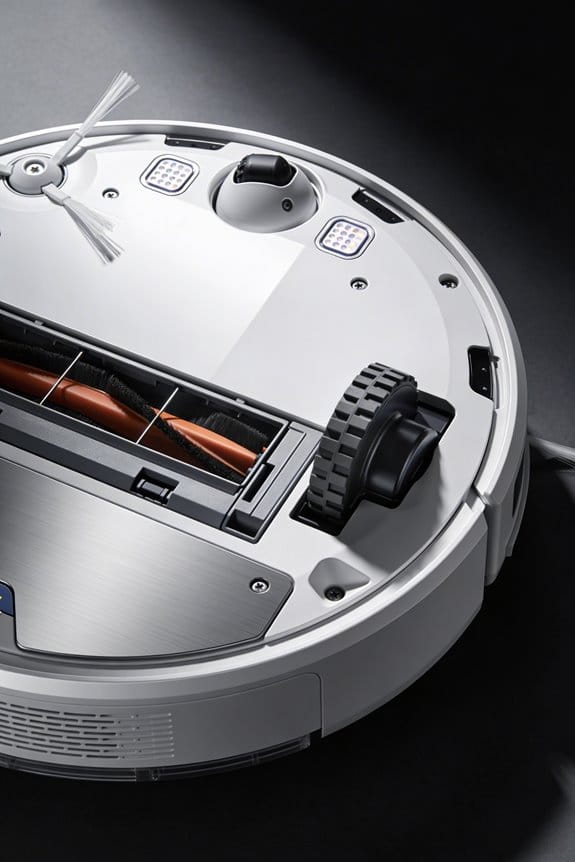
Your vacuum’s sensors are working overtime. It’s got LiDAR (that’s a laser-based system), cameras, and infrared detectors all running at the same time, scanning your rooms as it moves around. Think of LiDAR as a high-tech measuring tool that shoots lasers to figure out distances and create 3D maps. The cool thing? It works even in pitch-black rooms where regular cameras would be useless.
Then there’s Visual SLAM—fancy tech-speak for a system that uses your vacuum’s built-in cameras to snap real-time images and recognize landmarks. It’s basically the vacuum’s way of saying, “Oh, that’s the couch, and that’s the doorway to the kitchen.” These details help it understand where things are in your home.
So, why does this matter? Well, none of this requires you to flip a switch or press a button. Your vacuum starts mapping the moment you power it on. It happens automatically, quietly, without any setup needed on your end.
Here’s where it gets worth paying attention to: those floor plans don’t just stay inside your vacuum. They get stored in the device’s internal memory first, but then they’re sent to the manufacturer’s servers for permanent storage and analysis.
If you want to stay in control, check your vacuum’s app settings. Some models let you disable cloud storage or limit what data gets shared. It’s a small step that makes a real difference.
Your Floor Plan Reveals Far More Than Room Layouts
Your Floor Plan Reveals Far More Than Room Layouts
Ever thought about what your robot vacuum actually knows about you? Turns out, that digital floor plan it’s mapping is way more revealing than just where your couch sits.
The Hidden Data Your Vacuum Collects
Your robot vacuum’s floor plan functions as a behavioral fingerprint of your household. Movement patterns and cleaning schedules tell a detailed story about your daily routines, habits, and lifestyle preferences. Companies are actively collecting this information—and frankly, most people have no idea it’s happening.
What Your Home Layout Actually Says
Furniture placement reveals consumer behavior in ways you might not expect. Where you position your TV, how much open space you keep, what you choose to buy—it all signals wealth levels, purchasing preferences, and interior design choices to anyone analyzing the data.
Room dimensions suggest property value and household composition. They hint at family size and structure. Obstacle detection data goes further: it reveals whether you own pets, have children living with you, or need mobility accommodations.
The Scheduling and Movement Piece
So, why does this matter? Because lighting conditions and navigation patterns expose when you’re home and when you’re away. Your vacuum learns your residential schedule. This spatial information creates extensive behavioral profiles that marketing companies, real estate firms, and insurance providers actively seek out for targeted analysis.
Truth is, they’re not just interested in your home—they’re interested in *you*.
What’s your comfort level with this kind of data being collected in your own house?
Security Gaps Let Strangers Access Your Vacuum’s Data

Security Gaps Let Strangers Access Your Vacuum’s Data
Your robot vacuum is mapping every room in your home right now. But here’s what keeps me up at night: the systems that protect all that sensitive layout data are full of holes.
Attackers don’t need fancy hacking skills to get in. Default passwords that never get changed, data sent without encryption, and weak access controls on cloud storage—these are the actual vulnerabilities researchers keep finding. Honestly, it’s almost too easy.
I’ve talked to security researchers who’ve documented this firsthand. They accessed vacuum mapping data in minutes. Not hours. Minutes. These aren’t theoretical risks either—they’re happening across dozens of commercial models right now.
So why does this matter? Your floor plans, room layouts, and movement patterns reveal a ton about your home and your routines. Malicious actors use this information to figure out when you’re home, where valuables might be, and which houses are worth targeting.
The gap between your vacuum sending data and that data sitting in a manufacturer’s server is where things fall apart:
- Passwords stuck on factory defaults
- No encryption protecting information in transit
- Cloud storage that doesn’t properly limit who can see what
- Outdated authentication that lets anyone claim access
Millions of households have vulnerable devices sitting on their networks right now. Your detailed home layout is out there, exposed to people you’ve never met.
Truth is, this problem isn’t going away on its own. Manufacturers need to fix their security, but you can take steps today—change default passwords, check privacy settings, and stay aware of what data your smart devices are collecting.
What would you do differently if you knew exactly who was watching your home layout?
Where Your Robot Vacuum’s Floor Plan Gets Sold

Your Robot Vacuum Is Selling Your Home’s Layout
Ever wonder what happens to that detailed floor plan your robot vacuum creates while it’s cleaning? Turns out, it’s not staying safe on your device or the manufacturer’s servers. That spatial data about your home gets packaged up and sold to companies across different industries—and you probably never knew it was happening.
Real estate firms are buying this information to estimate property values and compare how neighborhoods look. They’re using your home’s dimensions and room layout to help with their market analysis. Insurance companies are also in on this, purchasing mapping data that shows your home size, how your rooms are arranged, and potential risk factors. This information directly affects the premiums they charge you.
So, why does this matter? Because the more data these companies have about your living space, the more they can charge or adjust rates based on what they learn about you.
Marketing agencies round out the list of buyers. They’re purchasing aggregated datasets from data brokers to figure out consumer groups based on furniture placement and lifestyle patterns. They’re essentially profiling you based on how you’ve arranged your home.
The real issue here is money. Vacuum manufacturers are making substantial revenue from selling your home’s architectural details. You bought a cleaning device, but what you actually did was give competitors and data brokers direct access to intimate information about your residence.
Think about that the next time you set up your robot vacuum. Are you comfortable with that trade-off?
Why Manufacturers Claim They Protect Your Privacy (But Don’t)
Why Manufacturers Claim They Protect Your Privacy (But Don’t)
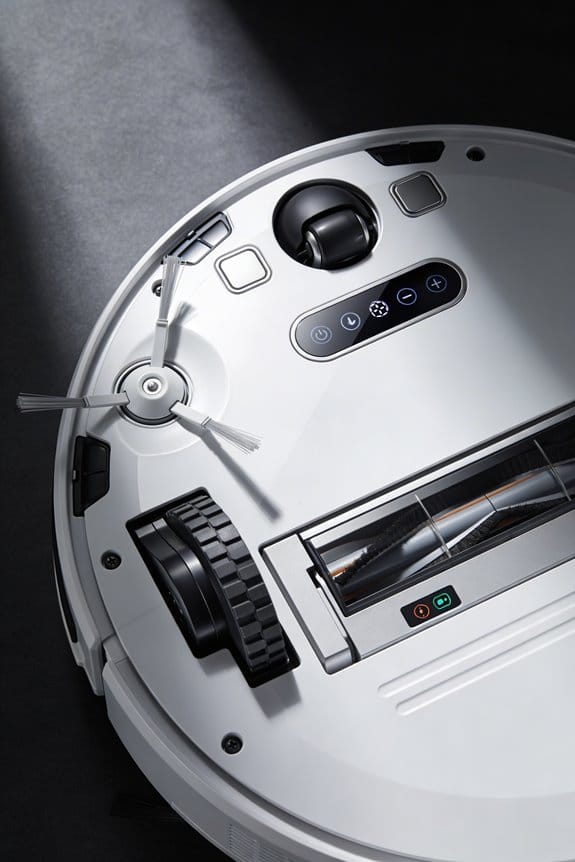
Your robot vacuum is mapping your home right now. Every room, every hallway, every closet gets recorded and sent somewhere you can’t see. Meanwhile, the company selling you this device promises your data is safe and encrypted. Sound reassuring? Don’t be fooled.
There’s a massive gap between what these manufacturers say and what they actually do. You’ll see their privacy pledges splashed across their websites and product boxes, but actual security breaches tell a completely different story. Companies claim encryption protects your floor maps during transmission and storage. The reality? Unauthorized access incidents keep happening, proving their security infrastructure isn’t nearly strong enough.
Your spatial data doesn’t stay on your device. It gets sent to remote servers without you having to do anything or even knowing it’s happening. Manufacturers keep permanent copies of these floor plans in their cloud systems—sometimes forever. And here’s the kicker: even when you factory reset your vacuum, the data they’ve already uploaded stays in their databases.
So, why does this matter? Because you’re essentially trusting corporate privacy promises despite tons of evidence showing those promises aren’t backed up by real protection. You don’t have much recourse either. Current regulations don’t require manufacturers to delete your floor plans when you ask them to. That means your home layout could sit on some company’s server indefinitely, with limited control from you.
The takeaway? Don’t assume your privacy is protected just because the label says so. Ask questions before you buy, and check what data deletion options actually exist.
Practical Steps to Protect Your Home From Spatial Data Theft
Practical Steps to Protect Your Home From Spatial Data Theft
Your robot vacuum is mapping your home right now—and you probably didn’t realize that data was going anywhere. Manufacturers aren’t exactly transparent about where your floor plan ends up, so if you care about privacy, you need to take matters into your own hands.
Start with your vacuum’s app. Dig into the settings and look for options around cloud uploads or data transmission. If you can disable mapping backups to the manufacturer’s servers, do it. It’s that simple.
Try this next: Set up a separate WiFi network just for your robot. Most modern routers have a guest network feature that takes about five minutes to enable. Your vacuum still works, but it can’t access your computers, phones, or other sensitive devices. Fair warning—you might lose some convenience features this way, but your data stays more contained.
Honestly, the easiest solution is to avoid the problem altogether. Non-mapping vacuums (the ones without LiDAR sensors) don’t create detailed floor plans in the first place. They cost a bit less too, if you’re shopping around.
If you’re keeping your current vacuum, strengthen your home router’s security settings. Most routers let you set up encryption that scrambles whatever data does get sent out. It won’t stop transmission, but it makes interception a lot harder.
Before you buy any smart home device, read the privacy policy. I know—nobody does this. But spend ten minutes checking whether the company keeps your data for three months or three years. That difference matters more than you’d think.
When it’s time to replace your vacuum, factory reset it before you donate or sell it. Keep in mind this clears your local data, but maps already stored on the manufacturer’s servers might stick around anyway.
Does protecting your privacy feel like too much work? The truth is, these steps take maybe an hour total, and they seriously cut down your exposure. What matters most to you—convenience, or keeping your home’s layout private?
Frequently Asked Questions
Can I Completely Delete Floor Plan Data After Factory Resetting My Robot Vacuum?
Factory resetting your vacuum is like erasing your browser history—it doesn’t eliminate what’s already been sent. I’d warn you: data erasure on your device won’t remove your floor plan from manufacturer servers, creating lingering privacy concerns beyond your control.
Which Robot Vacuum Brands Transmit Mapping Data to Servers Versus Storing Locally Only?
I can’t definitively tell you which brands transmit versus store locally because manufacturers don’t clearly disclose their mapping technologies and data security practices. You’ll need to review each brand’s privacy policy directly, as this information rarely appears in product marketing materials.
How Do Insurance Companies Use Spatial Data to Adjust Home Coverage Rates?
I’ll show you how insurers’ll practically dissect your home’s DNA. They’re leveraging spatial data analytics from your vacuum’s floor maps to conduct granular insurance risk assessment, calculating premiums based on your property’s layout, contents value, and occupancy patterns they’ve gleaned.
What Legal Recourse Exists if My Vacuum’s Floor Plan Data Is Breached?
You’ve limited legal recourse currently. Most consumer rights protections don’t adequately address spatial data breaches from smart home devices. You can contact your manufacturer and potentially file complaints with the FTC, but enforcement remains fragmented and underdeveloped.
Do International Data Protection Laws Like GDPR Apply to Robot Vacuum Manufacturers?
Your robot vacuum’s floor plan data is like a blueprint of your private life, and yes, GDPR applies to manufacturers operating in Europe. However, I’ve found that robot privacy protections depend heavily on consumer consent mechanisms—many users unknowingly agree to data sharing through buried terms of service.